Neighbourhood Plan preparation: Historic Environment
A Neighbourhood Plan can help to guide how local heritage can be conserved and celebrated, whilst adapting it to the needs of your community today.
Why consider the historic environment?
History matters. It matters to people who live in or visit Devon. It is part of the physical character and sense of identity of our towns, villages and countryside. It is what makes Devon such a great place to live, work and holiday.
Devon’s historic environment, its buildings, archaeological sites, landscapes and streetscapes, is exceptional in its quality and diversity. Making the most of your historic environment – protecting and enhancing it for everyone’s enjoyment, making it more accessible for the social, economic and health benefits this can bring – is therefore an important part of planning for your neighbourhood.
The Past in the Present
The past has had a huge influence upon the appearance and layout of your village or town and the landscape of fields, farms, woods, roads and lanes that surround it. This landscape contains visible evidence of human activity and land use stretching back thousands of years, from Prehistoric burial mounds and hillforts to patterns of fields created in the Middle Ages and farm, domestic and civic buildings of great historical and architectural interest. Some heritage sites will be well known and valued locally and others less well known. Alongside the natural environment, the historic environment forms the backdrop to our lives. Not always noticed day today but sadly missed when it is gone or insensitively changed.
Planning for the Historic Environment
This historic environment will be a material consideration in deciding many of the planning applications submitted in your area. The National Planning Policy Framework 2025 (Section 203) says that plans should make the most of ‘heritage assets’ (archaeological sites, historic buildings, public spaces, landscapes) by setting out:
….. “a positive strategy for the conservation and enjoyment of the historic environment, including heritage assets most at risk through neglect, decay or other threats”.
And that this strategy should take into account:
- the desirability of sustaining and enhancing the significance of heritage assets and putting them to viable uses consistent with their conservation;
- the wider social, cultural, economic and environmental benefits that conservation of the historic environment can bring;
- the desirability of new development making a positive contribution to local character and distinctiveness; and
- opportunities to draw on the contribution made by the historic environment to the character of a place.
The production of your Neighbourhood Plan is an ideal opportunity for you to determine what parts of your Historic Environment are important to the community and how they are best managed. You could think about how important these assets are to your community, to Devon or even nationally or internationally. Should the site or building be protected totally from development? Could it usefully be reused and incorporated into a development? Or is it not that important? What archaeological or historic areas and buildings could be used as community facilities or public open space? How can historic sites in the area be made more accessible to the community or linked together by existing or new public rights of way? How can historic sites, nature conservation and other local issues, such as highways and flood management, work together to make a better quality environment all round?
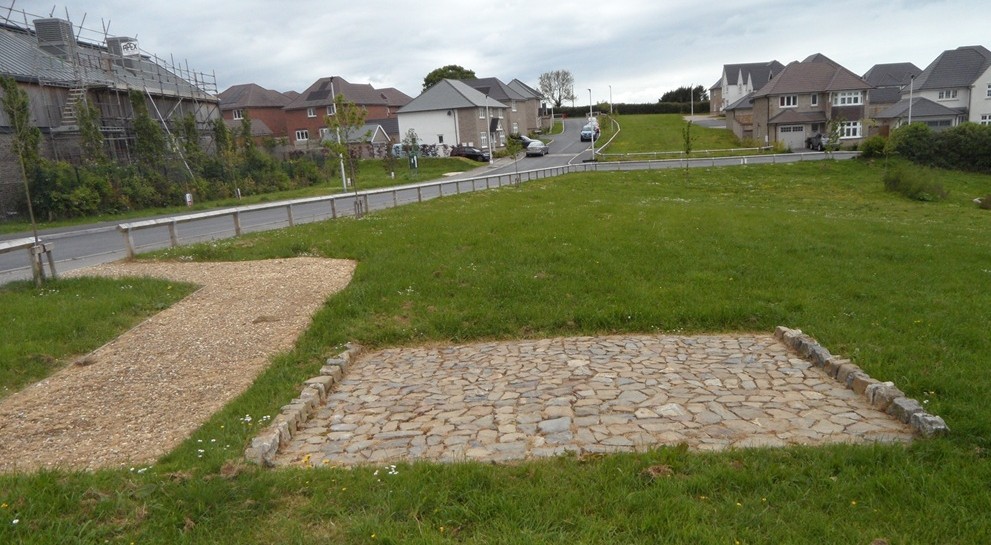
In order to achieve this, your community may want to seek advice and information from a number of organisations, including the Devon County Historic Environment Team (see below). Information on the heritage of the area, as well as other environmental data such as flood risk, ecology and landscape characterisation, can be accessed via the Environmental Data Online website – DCC Viewer. There is also a useful advice note available from Historic England (see below).
You may also want to compile a Local List of the heritage assets that are of the most importance to you. Guidance on this is also available from Historic England (see below). Some communities are producing local action plans for their historic environment, which can very usefully inform a Plan (see below). Some district councils in Devon have already produced ‘Green Infrastructure’ strategies, which might be of help to you in making connections to wider networks linking natural and historic sites. A Devon-wide strategy is currently also being produced and will be available on the DCC website when completed.
How we can help your community
The Devon County Historic Environment Record (HER) contains a constantly growing record of known heritage assets and is a great resource that can help you prepare your Plan. The HER is based at County Hall and is open to the public or available online (DCC Viewer). The HER holds the most up-to-date heritage information and we can provide this to you in an appropriate format. The Devon County Historic Environment Team, as well as your local District or Borough Conservation Officer, can help to identify the presence and significance of the heritage assets that define and characterise your area, as well as any that may be directly affected by future development proposals.
Useful links
Below are some useful links that may assist the preparation of the Neighbourhood Plan:
- National Planning Policy Framework – National Planning Policy Framework – GOV.UK
- National Planning Practice Guidance – Historic environment – GOV.UK
- Historic England Neighbourhood Planning and the Historic Environment – Neighbourhood Planning and the Historic Environment | Historic England
- Historic England Local Listing Guidance – Local Heritage Listing: Identifying and Conserving Local Heritage | Historic England
- Devon County Council Historic Environment Team webpages – The Historic Environment Team – Devon County Council
- Devon County Council Historic Environment Record webpages – Historic Environment Record (HER) – Devon County Council
- Devon’s Environmental Data Online – DCC Viewer