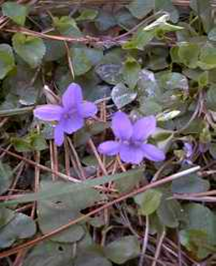
 Just as winter is at its dreariest the wildflowers are starting to pop up. January started cold with the lake frozen for nearly a week, but then turned back to mild and extremely wet. Snowdrops and celandines have been in flower for several weeks. In sheltered spots keep an eye out for dog’s mercury and primrose. Coltsfoot and sweet violet are ready to appear, once the temperatures rise, to attract the emerging insects. Coltsfoot flowers before its leaves appear giving rise to its common name of ‘son-before-father’. Hemlock water-dropwort leaves have started to emerge around the lake path. Marsh marigold, also known as kingcup, is one of the earliest blooming wetland flowers. In mild years it is often in flower by the end of February giving the marsh a welcome splash of colour. Hazel ‘lambs’ tails’ catkins are already open in places, along with the tiny red flowers found at the end of certain hazel buds – this is where the hazelnuts will grow later on in the year. The pussy willow and alder catkins will open and shed their pollen this month. Unlike other early flowering trees, the pussy willow (also known as goat willow or sallow) doesn’t use the wind for pollination. It secretes nectar which attracts early flies, bees and butterflies which then inadvertently carry the pollen from plant to plant as they feed. Keep an eye out for the buds of hazel and elder which will soon begin to burst.
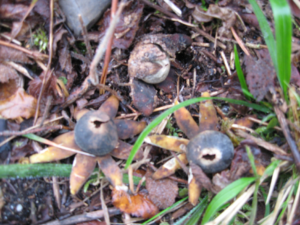 Several specimens of the rare barometer earthstar fungus were recorded last month; so called because it opens up during damp weather and closes when dry.
During February the dawn chorus will get louder every day. In particular listen out for Britain’s largest thrush, the mistle thrush, which usually starts to sing in January. The first recorded singing this winter was on 10th December which is an early record. Likewise, the song thrush started singing for the first time on 3rd December . The great tits and robins were already singing at the end of December so are gradually working up to the Spring crescendo. Great-spotted woodpeckers start to ‘drum’ on old dead trees in February to mark out their territories, along with the smaller lesser-spotted woodpecker which has a longer, fainter ‘drum’. If February’s weather stays mild and the food supply is good then some birds will start to breed. In mild years robins, blackbirds, dunnocks and song thrushes lay their first clutch of eggs by the end of February. Tawny owls will produce eggs before the end of February also.
The bird activity at the walkway is excellent at the moment so it’s well worth a visit to view the woodland birds such as nuthatch, bullfinch, great-spotted woodpecker and the tit family. Goldcrests can be seen in the conifer at this time of year. They are the smallest birds in Britain so subsequently, when the weather is very severe, their populations take a tumble. They soon recover however after a few mild winters. Separate roosts of blackbird, jackdaw and chaffinch have been recorded in the rhododendron overnight this winter; the temperature in these bushes being a few degrees warmer than the outside air. Siskin can be seen feeding on the alder cones around the lake. Keep an eye out for woodcock resting on the ground in the woods. Although a wader, it has now adapted to living in damp woodland rather than open marshes. The males have a very distinctive territorial display which takes place at dusk.
Unusually, no cormorants were recorded during January. A little grebe was spotted on 9th January, and 2 Canada geese on the 29th. The highest counts of tufted duck for January was 35 which is back to normal for this month, after a lowish count in January last year. There were no recordings of pochard, but up to 5 wigeon were present on the lake from 21st January onwards. The male mallards are now looking their best for the coming breeding season. Up to 6 mandarin ducks were present on the lake during January which is a huge drop from the 41 recorded in January 2022. The kingfisher and heron have been seen regularly. A few herring gulls have been seen on the lake throughout January, joining the larger numbers of black-headed gulls.
Up to 6 goosander were recorded during January which is down from the 18 recorded in Jan 25. Goosanders are the largest of the three British sawbills. It is a freshwater diving duck that is a winter visitor to the south. One great-crested grebe was present from the 15th onwards. The great-crested grebes usually leave the lake for a spell during the early winter. Keep an eye out to witness their elaborate and graceful courtship display during February once the other returns. They should now be in breeding plumage and should start displaying shortly. The swans’ courting season has started too, along with the mallards’. The adult swans have started to chase their offspring away, with none taking the hint as yet.
The marsh is very important for roosting waders during the winter months, including snipe and jack snipe. ‘Jack’ is historically used to denote something that is undersized. It is visibly smaller and shorter-billed than snipe and is a winter migrant from northern Scandinavia and further east.
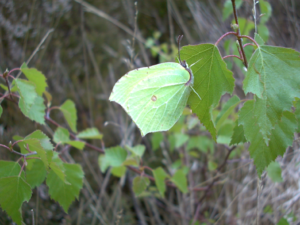 This is the time of year when the vegetation tends to be at its lowest. Most plants have been beaten down by the rain and frost, leaving fewer and fewer hiding places, which makes this an excellent time to be out spotting mammals. Foxes are very active at this time of year so you will almost certainly get a whiff of one somewhere in the Park. The vixens will start to move into their dens this month. You will be less likely to see badgers in February as they are at present giving birth to their cubs underground, so will only leave their setts infrequently. Look out for evidence of a good clear out around setts such as fresh soil and old bedding. Moles construct a multi-layered tunnel system which acts as a trap for invertebrates such as earthworms, instead of continually digging to catch their prey. In cold weather, however, the invertebrates burrow deeper into the earth to escape the cold surface soil, and the mole is obliged to dig new, deeper tunnel traps, throwing up new mole-hills as it does so. Therefore, it is quite common at this time of year to spot fresh mole-hills. Frogs will return to their breeding ponds to spawn this month. On sunny days keep an eye out for Brimstone butterflies which are normally the earliest butterfly of the year to be on the wing.