For a downloadable and printable version of this report click here.
Foreword
This year my annual report focuses on Devon’s young people, who for the context of this report are the young people aged 11-24 years who live within the Devon County Council area. We know that the transition from childhood through the teenage years into early adulthood shapes lifelong health, education, and economic opportunities and outcomes, with key cognitive, social, and behavioural developments in this period. The current generation of young people in Devon are growing up in context that is very different to that experienced by previous generations, navigating an ever-increasing digital world, economic recession and austerity, a global pandemic, cost-of-living crisis, political polarisation, global unrest, climate emergency, and wider social change. Understandably this has given rise to a complex set of challenges, but also a generation who are incredibly resilient and adaptable, with a huge desire for innovation and change that needs to be harnessed.
This report focuses on the topics that young people in Devon have identified as being the most important to them, highlighting some of their experiences and views with their voices. This is a diverse group of young people, with differing experiences and levels of autonomy and as such we have explored the views of Devon County Council’s Youth Council, reviewed the outputs from our own Public Health pupil survey, local authority data, local research partners, and service feedback, and sought the voices of seldom heard young people who are underrepresented through partner teams and the VCSE (Voluntary, Community, and Social Enterprise) sector to capture the voice of all. We have brought together the key themes, which include the challenges faced, the glimmers that living in a county such as Devon can offer, and the changes young people want to see. The subsequent recommendations are reflective of this, and the need to recognise our young people as valued members of our communities, and as the asset they are.
For the first time in two decades the Government has recognised the importance of young people, publishing a national strategy entitled ‘Youth Matters: Your National Youth Strategy’. The strategy outlines a system-wide approach to improving the future and outcomes for young people and acknowledges the context in which young people are growing up in today, the realities of the future they are facing, recognising interconnected challenges of increasing psychological distress, worsening educational and economic inequality, and reducing opportunities for community and social connection.
Devon’s young people are the future of the county, yet we have heard that whilst many young people have positive childhood experiences in Devon and enjoy living here, many feel apprehensive about what the future may hold for them here in Devon, whether they belong, and whether there are opportunities to achieve their goals and remain connected to the place they grew up.
Finally, I would like to thank all the young people in Devon who took the time to tell us their views and share their stories on what growing up and living in Devon in 2026 is like, the opportunities and the challenges they face.
“It’s a lovely place to grow up, but there becomes less and less appealing things to do or opportunities to grasp as you age into early adolescence and adulthood.”
[Youth Voices Survey, 2026]
1. Who are Devon’s young people?
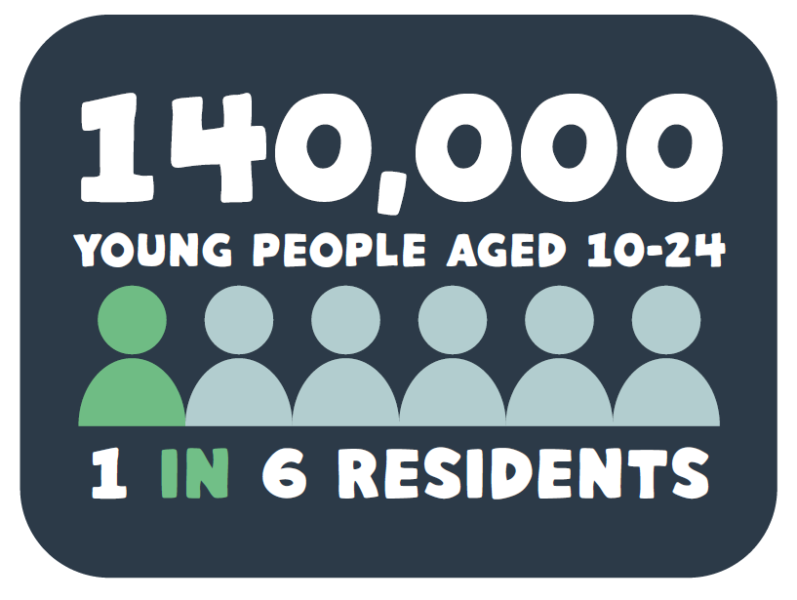
There are over 140,000 young people aged 10-24 years living in Devon, which is around 1 in every 6 people who live here. There are similar numbers of children and young people in each life stage from early years to adulthood, with a roughly even split by sex, and mirroring the broader population in Devon, most children and young people are from white British backgrounds with smaller numbers of people from minoritised ethnic backgrounds as illustrated in the Population Profile page in the Annual Public Health Report Dashboard.
Just over 1 in 5 young people grow up in low-income families, and 1 in every 12 are from solo-parent households, who may experience greater economic disadvantage and so are more likely to experience health inequalities as seen in the Population Inequalities page in the Annual Public Health Report Dashboard.
Devon is sometimes thought of as having an ‘ageing population’, but the proportion of young people is predicted to remain stable over the next twenty years. Nearly half (44%) of the county’s 10-24 population live in rural areas.
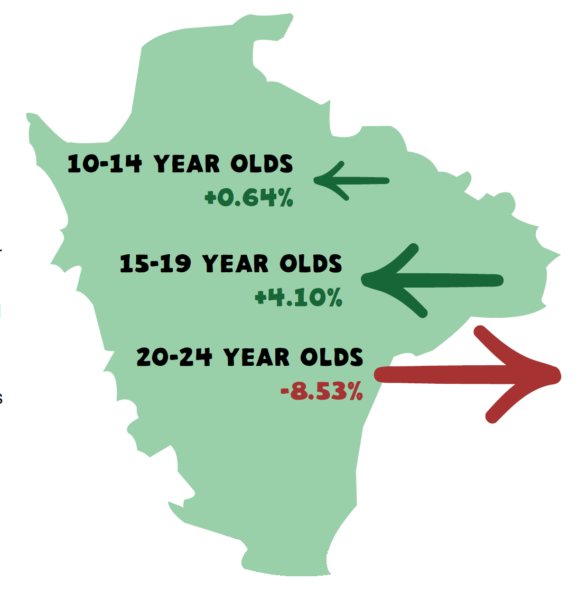
We know that some young people choose to move to cities such as Exeter for their education then leave Devon after reaching early adulthood. Migration patterns show 10–14-year-olds (+0.64% net gain) and 15–19-year-olds (+4.10% net gain) tend to move to Devon with their families. However, by age 20-24 more young people are leaving Devon (-8.53% net loss), suggesting many young adults leave after completing their studies. This means overall, slightly more young people aged 10-24 years are leaving Devon (-1.26% net loss).
2. What shapes our health and wellbeing?
Not everyone born in Devon gets the same life chances and opportunities to live well and reach their potential. We know today that a baby boy born in Central Exeter could have their lives cut short by almost 18 years compared to a baby girl born in Croyde or Woolacombe. This is all as a result of where they grow up, their education, housing, household income, transport options, food quality and availability, community connections, and access to green space, as these all provide the essential building blocks of living a healthy life, more so than healthcare or individual behaviours (figure 1). When these blocks are damaged or missing, health suffers, resulting in avoidable and unfair inequalities. Characteristics (such as gender, ethnicity, age, sexual orientation, immigration status, age, disability, family background) and their associated identities, which often overlap, can also impact experiences, opportunities, and wellbeing outcomes. Change is achievable however, and inequalities can be reduced by strengthening these building blocks that shape health.
Figure 1: Building Blocks of Health and Wellbeing
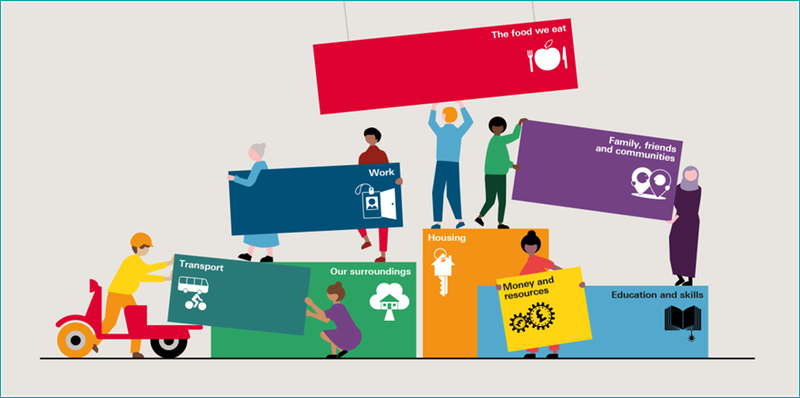
Source: The Building Blocks of Health and Wellbeing, The Health Foundation
3. What matters to Devon’s young people?
This section of the report brings together the key topics which Devon’s young people have told us are important to them. It examines each topic and includes real statements and comments from young people.
More detailed demographic and health information can be found on the dedicated Annual Public Health Report dashboard. Information on the sources of insight used in this report can also be found in the Appendix.
“So much is expected of our generation. We want change. The change we want is not heard and is mostly disliked. Our generation is weighed down by so many problems.”
[Youth Voice Survey, 2026]
3.1. Surroundings and community
Devon is a large county, boasting a beautiful natural environment with countryside, moorland, and two coastlines, as well as a vibrant cathedral city and busy market towns. It has strong communities and a deep sense of place, but the large and diverse geography can bring challenges. A common perception is that Devon is an affluent county, however the pattern is complex with deprivation often sitting alongside, and being hidden by, affluence which can therefore worsen inequalities. Some coastal and rural areas, particularly in the north and west of the county, and more urban neighbourhoods experience significant deprivation and disadvantage that is higher than the national average, each with different types of need.
Housing
Housing availability, quality, and affordability are barriers to many young people seeking to be independent and remain in Devon, and this is particularly the case for care experienced young people, young parents, and those in the youth justice system. The Specialist and Supported Housing Needs assessment carried out in 2026, identified a significant increase in the need for additional housing for all groups of people and specifically for vulnerable care-experienced young people and teenage parents.
The Devon Housing Commission identified high housing costs, tourism related housing pressures, and a private rental sector comprising poor quality, high cost, and insecure accommodation as particular challenges. Tourism, hospitality, and agriculture create a seasonal economy which disproportionately impacts younger adults and young families, particularly in Devon’s rural and coastal communities. This contributes to the loss of younger people from the county, which has knock-on impacts on the local economy and public services.
Housing instability is linked to poorer mental and physical health, missing out on education, and risk of unemployment, all of which can have long-lasting impacts across a person’s life. Many young people report mental health challenges relating to housing, especially in rural areas where isolation and limited youth services exacerbate feelings of anxiety and disconnection.
“You can’t expect to live in Devon unless you have an extremely well-paying job (in which you have to move away to first get) or you inherit a house because it’s all too expensive and wages aren’t high enough”
[Youth Voices Survey, 2026]
“I think housing is particularly expensive which makes it difficult for first time buyers like myself to get on the property ladder whilst staying where I’ve loved growing up.”
[Youth Voices Survey, 2026]
Places to go and things to do
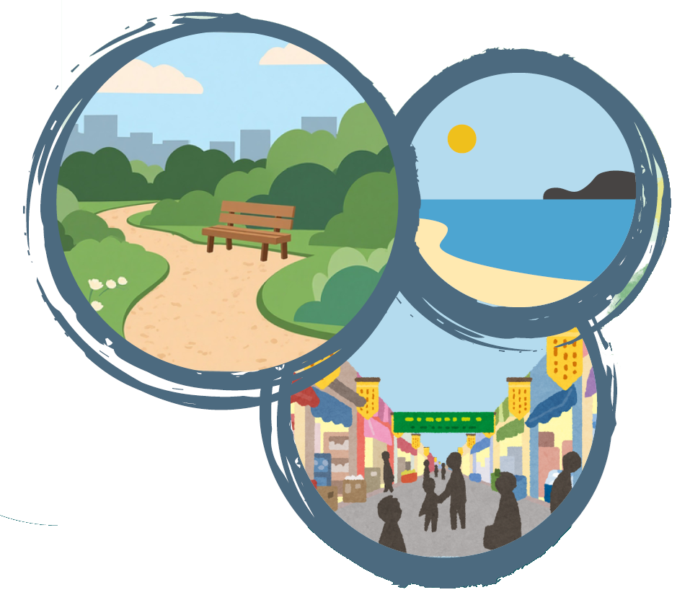
Young people have told us that they enjoy spending time in the countryside and by the water, doing sport and outdoor activities, spending time in their local town or area, and doing creative activities (Kailo BeeWell Survey, 2023/24; Make Your Mark, 2025; Pupil Wellbeing Survey, 2024/25). As a popular holiday destination, Devon isn’t short of things to do – but it can vary considerably by area and for the young people living here there can be everyday barriers to being able to make the most of what is on offer as highlighted in the Access to Services page in the Annual Public Health Report dashboard. This typically includes:
- Cost
- Transport options
- Not knowing what is on offer locally
- Not having anything on offer locally
- Having no one to go with
- Having low confidence
- Being perceived negatively in the community
Not only do these barriers exist, but they also affect some young people more than others. For example, having low-cost local activities that can easily fit around caring responsibilities is particularly important for young carers. Services that offer digital (online) and telephone options help more young people have access to opportunities and services in ways that work for them. When there are activities and places to go locally, these don’t always meet accessibility, inclusion, or support needs, which can leave young people with a disability feeling isolated in their communities. For young people with additional needs, accessible activities are not only about physical access. They also include communication, sensory environments, confidence, staff understanding, cost, transport and whether families trust that activities will be welcoming and safe. Inclusive access needs to be part of the way local opportunities are designed from the outset, rather than something added later
“There’s lots of places to go and things to do for young people in Devon, but I think the lack of public transport is the reason we feel so isolated.”
[Devon Youth Council, 2025]
“Where I live there isn’t much to do. I haven’t got any friends near me. There isn’t even a gym I can go to…it’s very annoying.”
[Devon Youth Council, 2025]
“It would be nice to have a youth centre specifically designed for us with fun activities to do inside. We have a parish hall but it isn’t very well facilitated for people my age or older. Also parks are not that great, a lot of them have really old equipment or not well maintained.”
[Devon Youth Council, 2025]
Whilst in general there are many community activities available and this is recognised by young people, there remains a feeling of not having a place, whether this is due to the availability of age appropriate or specifically targeted activities, how they are perceived by older people in their communities, or a perception tourism being prioritised over local residents.
“Generally there are some good things to do, but they are normally only good things to do once or twice, not over and over and generally most of the activities in my area seem targeted towards younger children”.
[Devon Youth Council, 2025]
“There’s craft fairs, bingo, quiz nights, picnics – a whole host of things to do. But the problem for many young people is that what’s already there just simply doesn’t appeal to us. As activities are almost always aimed at little children or older people.”
[Devon Youth Council, 2025]
“There aren’t many safe places to stop and sit, and I feel that people are very suspicious of children in groups”
[Devon Youth Council, 2025]
“There is a need for more youth friendly areas, because being judged for being a couple of teens, hanging out in the park, is very uncomfortable”
[Devon Youth Council, 2025]
Insight commissioned by Public Health (Youth Voice Survey 2026) echoed the finding that cost is a significant barrier for young people, who consistently describe needing spaces that can be used to socialise safely, affordably, and without pressure to spend money. Where these places do exist, their condition can often present an additional barrier, with young people describing social spaces and facilities (such as parks, seating areas, and public toilets) as undermaintained, or in some cases, sites of antisocial behaviour, making them less welcoming and reducing appeal and acceptability.
Transport

Being able to get around easily plays a key role in growing up well. Access to transport affects how young people get to school, college, or work, reach healthcare, services, and support, and stay connected with friends, family, and the activities they want to do.
In Devon, access to services and activities can look quite different depending on where you are – many rural and coastal communities are spread out, which means there can be fewer things to do and services nearby, and require, access to a car, travelling much longer distances, and higher costs to travel. In July 2026, the Government announced that single bus tickets will be capped at £2 in England from January to December 2027. While this will reduce the cost of bus travel, public transport in Devon can also be limited and infrequent.
“A big issue is probably public transport for me until I can drive – 1 bus in my village a day and the nearest train station you have to drive to”
[Devon Youth Council, 2025]
“With no towns being less than an hour or more away by bus and school friends living far away, activities are limited to what I can do from my own home, which can be irritating at times, especially not being able to join in with others because of location.”
[Devon Youth Council, 2025]
“the problem with the costs…me getting to school every week is £30 a week in single bus journeys.”
[Devon Youth Council, 2025]
“I enjoy living in a quiet and beautiful place but sometimes feel cut off from friends as it is only possible to drive to visit them.”
[Youth Voice Survey, 2026]
“My semi-rural environment, combined with not being able to drive for medical reasons and limited public transport means that I can go long stretches of time without seeing friends, and it drastically limits my employment opportunities” [Youth Voice Survey, 2026]
“It is really juxtaposing, on one hand its really beautiful to have countryside around you and I will never take that for granted, but at the same time it’s challenging, bus services are limited to maybe once an hour, and you pretty much need a car to commute or have a job”
[Youth Voice Survey, 2026]
The environment
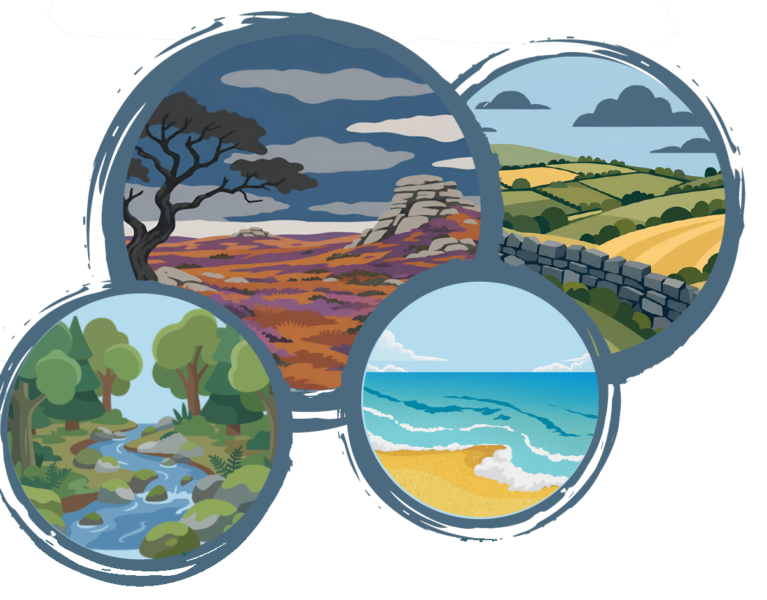
Devon’s natural environment is frequently identified by young people as one of the county’s greatest strengths, and one of the key features that enables connection and attachment to the place they live. The beaches, parks, countryside, and scenery are central to contributing to good quality of life, and young people are concerned about the future of Devon’s environment. The findings of the Make Your Mark vote and Pupil Wellbeing Survey both highlight that climate and the environment are sources of concern or anxiety for young people, and these findings were also reflected in the Youth Voices survey, where young people were particularly concerned around plans for an AI data centre in North Devon and water pollution. They articulated a desire for transparency and accountability when such issues have significant impacts on local communities and natural resources and suggested that this could affect whether people feel secure about the future of their local area.
“Every Devon young person I know opposes the use of Devon’s land for the building of data centres – our population is growing, our summers are getting hotter and we’re not building more reservoirs, if we waste water on technology, our droughts will get harder to deal with – every young person I know is terrified about the impacts of climate change on us and our future”.
[Youth Voice Survey, 2026]
“I love being able to decompress easily in nature. Even living in Exeter, I can find spaces easily to slow down. I love being in Devon very much and being near the sea. However, recent water pollution, coastal erosion and wildfires etc. make me incredibly eco anxious. In Devon, we can really see the impacts of the climate crisis and that makes me really anxious.”
[Youth Voice Survey, 2026]
Cost-of-Living

Increasing cost-of-living can be a significant barrier to independence and participation in community life. Young people are particularly vulnerable as they are more likely to be in lower paid, insecure employment, or financially dependent on family members. In the Youth Voices Survey 2026, young people highlighted difficulties with affording housing, public transport, and driving lessons, as well attending events and social activities. The UK Youth Select Committee also found that the cost-of-living crisis has increased food insecurity among young people, with many reporting worries about affording food, heating, and other essentials. Devon’s Cost of Living Index identifies areas of higher vulnerability across the county using indicators including child poverty and fuel poverty and shows that pressures are not confined to the most deprived urban communities but are also experienced in rural and coastal areas.
“Our wages don’t match the cost of living but that’s an issue across the country.”
[Youth Voice Survey, 2026]
“The cost of living is making it harder to save and almost impossible to even think about getting a mortgage.”
[Youth Voice Survey, 2026]
“I think it’s the same in any county, not just Devon. There are no jobs available. The minimum wage isn’t enough to survive on with the current cost of living.”
[Youth Voice Survey, 2026]
Digital exclusion
Digital access is increasingly essential throughout childhood and young adulthood. Children and young people rely on digital connectivity for education, communication, employment opportunities, health information, and access to support services. Without reliable access, due to either affordability or indeed lack of broadband infrastructure, disadvantage can become embedded early in life and accumulate over time. Many schools and educational institutions now use online platforms for homework, learning resources, and communication with families, meaning that digital exclusion can widen existing attainment gaps, particularly for children and young people living in low-income households.
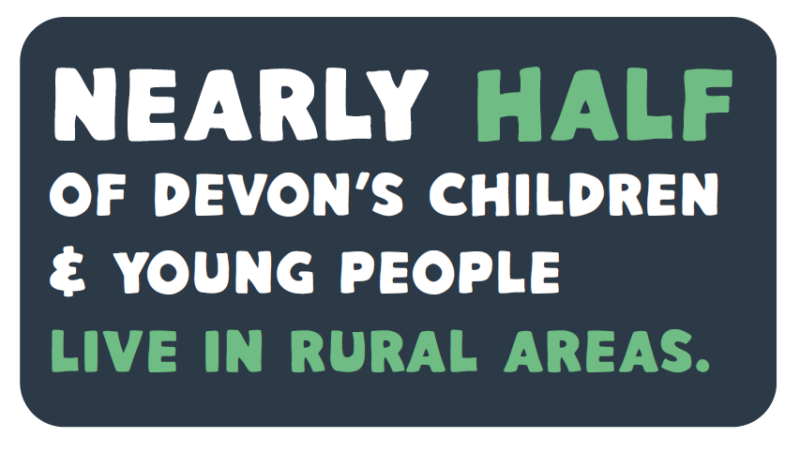
In Devon, digital exclusion also has a strong rural dimension. Nearly half of the county’s children and young people live in rural areas, where there is the greatest risk of digital exclusion, particularly smaller rural villages further away from larger towns. These areas also have the poorest broadband connectivity, with a greater proportion of homes unable to access good broadband speeds. This creates additional barriers for young people trying to participate fully in education, access health and wellbeing support, apply for training and employment opportunities, or make use of online services.
As young people move into adulthood, digital access increasingly acts as a gateway to opportunity. Those without access to reliable connectivity, suitable devices, or digital skills may be excluded from employment opportunities, health services, and financial products. They may also be less able to access cheaper online tariffs, discounts, and financial management tools, contributing to a “poverty premium” whereby people facing disadvantage often pay more for essential goods and services. This is also the case for those who may be digitally disadvantaged due to learning and other disabilities. The combination of digital exclusion and poorer connectivity risks reinforcing existing inequalities in education, employment, health, and financial wellbeing.
What is being done to support young people in Devon?
- A Specialist and Supported Housing Strategy is being completed by 2027 and will address solutions to increasing appropriate housing supply and supported accommodation for young people across Devon.
- SPACE provide seven open access youth centres, open access outreach sessions, targeted support for vulnerable and/or at-risk young people, digital youth sessions, responsive individualised support, and community and voluntary centre support. Last year they directly supported over 3,200 young people.
- Devon Connect have worked with young people to develop an online directory of activities for young people.
- In September 2025, Devon County Council launched the £160,000 ‘Places To Go Things To Do’ grant fund which has supported 97 inclusive, accessible, and enriching activities for young people, following research by the Youth Council.
- Children in Care and Care Experienced young people are provided with laptops for education purposes funded through a bursary scheme.
What could make a difference?
- Implementation of the Devon Housing Commission recommendations for local authorities and the Devon and Torbay Combined County Authority, such as the formal sharing of information between the NHS, Public Health Devon and District Councils to improve the quality of housing for those young people most at risk.
- A Mayoral Strategic Authority, covering Devon, Plymouth and Torbay, would help create a more connected and inclusive transport system for young people aligned with education, skills and employment opportunities that would reduce the geographical and financial barriers that limit participation, particularly in rural and coastal communities. Realising this potential will require affordable and flexible transport solutions, strong partnership working, and meaningful involvement of young people in shaping services that meet their needs.
- Discounted or free public transport to remove financial barriers to connectivity, demand responsive transport, flexible services, active travel infrastructure, digital access, and youth involvement in transport planning.
“Increasing the actual amount of public transport is a big ask. However, a greater push for more affordable existing buses and trains may be possible which would encourage rural young people to venture outside of their isolated area. If public transport were made to be free, or at least discounted greater for under 25s, this would remove a financial barrier for many.”
[Devon Youth Council, 2025]
- Intergenerational community activities and opportunities to build relationships and increase understanding and acceptance.
- Improved maintenance of community and public spaces to increase feelings of safety and acceptability.
- Involving young people in local decision making.
3.2 Feeling safe
In the community
Feeling safe enables us to thrive. It reduces the emotional and physical impacts of stress, fosters trust and connection, and supports health development, resilience, and wellbeing. Although levels of serious violence in Devon are relatively low compared with many other areas across England, safety remains a real concern for some young people as revealed in the Safety page in the Annual Public Health Report dashboard. While most report feeling safe in their local area many young people report witnessing harassment, discrimination, or violence in the past year.
Additionally, some young people in particular groups have voiced concern about discriminatory attitudes becoming more prevalent. As such, young women, LGBTQ+ young people, and young people from minority groups report adapting their behaviour or avoiding certain places due to not feeling safe or welcome. Concerns about knife crime, street violence, and antisocial behaviour can affect young people’s sense of safety, even where the actual risk is low.
“There are gangs in my area who cause a lot of trouble. I have been beaten up in daylight in my village. I am scared to go anywhere near my home and have no friends near me. I have to travel quite a distance once a week to go to a youth club… it feels safe there.”
[Devon Youth Council, 2025]
“There’s always people drinking and fighting on the sea front.”
[SPACE ‘Is This Okay?’, 2025/26]
“I love Devon and I grew up here, but every day it feels less safe to stay as a queer woman.”
[Youth Voice Survey, 2026]
Online
Spending time online is the norm for most young people, and this can especially be the case in large rural counties like Devon where people, support, and activities are spread out, meaning social media and online platforms provide the key to connection. Social media and digital communities provide opportunities to maintain friendships, discover interests, and connect with people beyond the local community. This can especially be the case for young people in more rural and isolated areas, those with limited access to transport, and those who don’t feel represented or accepted in their local communities. For example, in the Youth Voices survey (2026) online spaces were identified as being particularly important for LGBTQ+ young people seeking connection and peer support.
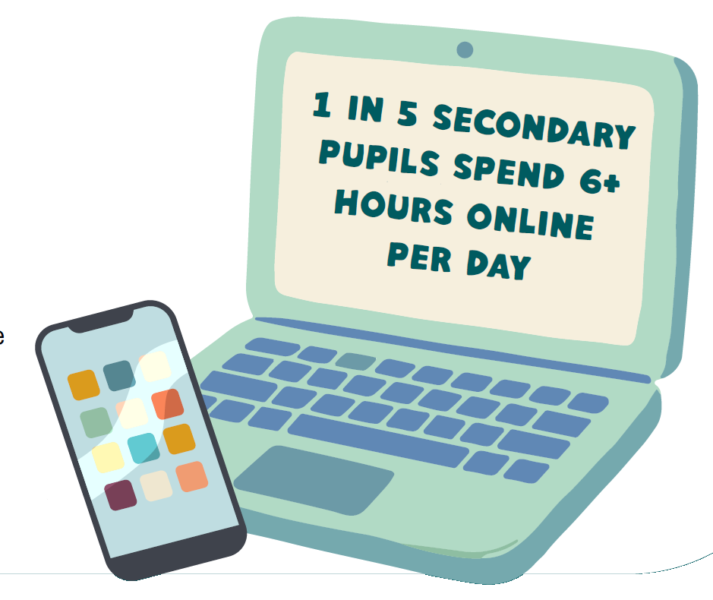
The most common online activities for young people include social media, speaking to friends and family, getting news and information, watching videos, streaming music, and gaming. However, young people are also aware of the risks of spending time online and are worried about the impact of social media on mental wellbeing, attention, confidence, and personal development. Specifically, they have concerns around harmful or upsetting content, online bullying, harassment, discrimination, scams, and the possibility of exploitation. Online platforms provide key outlets for connection and creativity, but equally more time spent online also increases the risk of exposure to algorithms, content, and behaviours that pose a risk to wellbeing and safety. One in five secondary age pupils in Devon report spending upwards of six hours online each day, outside of time for homework or schoolwork. Young people from solo-parent households, those who are Young Carers, identify as LGBTQ+, or have special educational needs and/or disabilities (SEND) are more likely to spend more time online, but less likely to report knowing how to stay safe (Pupil Wellbeing Survey 2024).
Whilst any activity can exist on a spectrum of harmful to helpful, we know that a considerable number of young people have experience of talking to people they don’t know, engaging in online gambling, and viewing pornography. This is increasingly made possible through digital technology and social media platforms, and the sharing and viewing of explicit content is common. Pornography is no longer something sought out of adolescent curiosity, but many children inadvertently come across it whilst they are still in primary school.
“The algorithms are designed to be addictive and to send young people down rabbit holes of whatever they’re engaging in.”
[Youth Voice Survey, 2026]
We can’t talk about online safety without considering the social media ban to under 16s in England, including platforms such as Instagram, TikTok, Snapchat, Facebook, YouTube, and X. The overall aim is to protect children from harmful content, bullying, and exploitation, and in turn reduce the associated negative impacts. However, evidence suggests that as well as the intended benefits, there will also be unintended consequences such as driving activity into other forums, increasing feelings of social isolation, and reducing connectivity and access to services and information, which are likely to affect some young people more than others. These concerns are shared by young people.
In Devon, findings from the Youth Voices Survey (2026) demonstrate uncertainty around the proposals to restrict social media usage – just over a quarter supported the restrictions, a fifth did not support them, and the remainder of young people indicated that their view would depend on how proposed restrictions were implemented. Young people share concerns around harmful content, online harassment, addictive platform design, and the effectiveness of existing safeguards, but are worried that completely banning social media will increase isolation, with some people more at risk than others, and mean they are ill-equipped to manage the risks when they have access at 16. Young people believe that online platforms should take more responsibility for harmful content, exploitative practices, and inadequate moderation, rather than placing responsibility on young people, parents, or schools in creating safe online environments.

“We need to hold these companies accountable. It harms everyone, not just under 16s.”
[SPACE Discord Insight, 2026]
“I remember when we had a meeting about this and clearly no one cares about what the children think.”
[SPACE Discord Insight, 2026]
“A government ban doesn’t really solve anything as 16yos online can still be vulnerable especially if they’ve had no chance to learn about and familiarise themselves with the rules of social media because of this ban.”
[SPACE Discord Insight, 2026]
“As someone with a life debilitating chronic illness… not being able to contact my friends via social media would make me insanely depressed tbh.”
[SPACE Discord Insight, 2026]
“I have agoraphobia meaning I really struggle to leave the house so the only way I can contact my friends is through socials. ”
[SPACE Discord Insight, 2026]
What is being done to support young people in Devon?
- SPACE deliver digital youth services in partnership with Devon County Council. As part of their digital offer they provide access to safe and trustworthy adults, moderate group content and group dynamics, and deliver interventions to promote health and wellbeing.
- Provision of support for school PSHE delivery, including resources and training, through the Devon Schools Wellbeing Partnership.
- Let’s Talk provides trusted, expert guidance through webinars and toolkits to help professionals, parents, and carers supporting children and young people facing challenges such as exploitation, unhealthy relationships, online safety, and mental health.
What could make a difference?
- Expansion of digital youth services.
- Continued support for educational settings to deliver comprehensive and good quality provision of PSHE, including online safety, social media use, and digital literacy.
- Increased support for parents/carers around digital literacy, the online world, and online safety.
“What has helped me the most was lessons learned in school…and resources they gave us to continue improving our internet safety independently.”
[Youth Voice Survey, 2026]
“Schools give awareness on online safety already I think but there can always be more. Parents should be taught how to teach proper safety as well.”
[Youth Voice Survey, 2026]
3.3. Mental wellbeing
The mental health and wellbeing of young people remains a high priority both locally and nationally. There has been a steady increase in psychological distress and poorer mental and emotional health and wellbeing in young people across the world over the last 20 years, which was amplified by the pandemic. This has affected certain young people more than others, with differences in age and gender, and a high correlation with neurodiversity. As seen nationally, demand for mental health support among young people in Devon is increasing, reflected in higher referral rates, longer waiting times for services, and more hospital admissions for self-harm as illustrated in the Mental Health page on the Annual Public Health Report dashboard. In the Youth Voices Survey (2026), just over half of respondents indicated they had either sought or wanted mental health support in the previous 12 months, with 15.5% unable to access it. Many young people describe challenges with uncertainty about where to seek help, long waiting times, and limited local provision, which can be compounded by difficulty with travelling to and from appointments.
“Living in a rural area is beneficial for access to nature, but severely limiting in terms of socialising, finding something to do or accessing essential services.”
[Youth Voice Survey, 2026]
“While it is easy in a lot of ways to improve my mental health with walks and surrounding myself with the outdoors, it can also be lonely and hard to meet new people, especially my age.”
[Youth Voice Survey, 2026]
A wide range of social and environmental factors are thought to be contributing to poorer mental health outcomes, including uncertainty about the future, climate change, housing pressures, reduced social mobility, academic pressure, social media influences, minority stress, and reduced sense of belonging. Some evidence also suggests that increasing smartphone and social media use, alongside reduced opportunities for face-to-face social interaction has increased anxiety, depression, loneliness, and social disconnection among young people. The multi-faceted nature of mental health necessitates solutions that are environmental, societal, and psycho-education, and not necessarily individual, behavioural, or biological.
“Every year more and more is expected of young people, and a lot of people can’t keep up.”
[Youth Voice Survey, 2026]
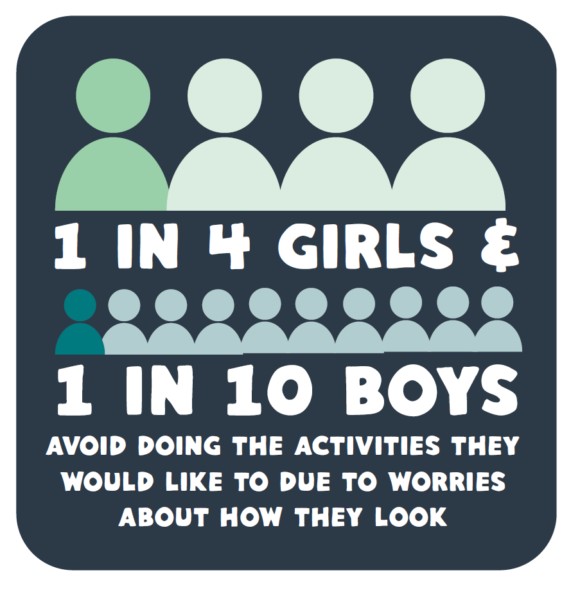
Feeling anxious is a common experience of young people, and as many as 80% of secondary age pupils say they worry ‘a lot’ about at least one thing, with up to a quarter of boys and half of girls worrying ‘a lot’ about multiple issues (Pupil Wellbeing Survey 2024). Whilst some level of apprehension may be considered a normal response to uncertainty or stress, some of these worries are preventing young people from participating in things they would like to do, being present in their community, and even attending school. For example, 1 in 10 boys and 1 in 4 girls say they often avoid doing activities they would like to do because they are worried about how they look.
Top worries of secondary age pupils, taken from the Pupil Wellbeing Survey 2024:
- Exams and tests (51%)
- School-work/homework (43%)
- The way you look (41%)
- The future (38%)
- The health of someone in your family (37%)
- Your size or weight (34%)
- Your mental health (33%)
- Problems with friends (32%)
- Your physical health (26%)
- Family problems (23%)
Top worries of college age young people, taken from the Pupil Wellbeing Survey 2024:
- Exams and tests (61%)
- The future (57%)
- Schoolwork/homework (45%)
- The way you look (42%)
- Your size or weight (32%)
- Your mental health (28%)
- The health of someone in your family (25%)
- War and terrorism (25%)
- Your physical health (24%)
- Climate change/the environment (24%)
Many young people (28%) who took part in the Kailo project in North Devon described feeling overwhelmed and unable to cope. This is higher for boys (48%) and for young people with SEND (33%). To cope with stress and problems, many young people use activities such as listening to music, spending time outdoors, being active, talking to parents/carers, talking to friends, and spending time with friends (Pupil Wellbeing Survey 2024). However, some young people use less healthy behaviours including avoidance and keeping challenges to themselves, and worryingly, 1 in 4 said they ‘hurt themselves in some way’. There are significant and layered inequalities to this, with some young people in particular more likely to hurt themselves in response to stress, emotional dysregulation, or a problem. This includes young people who identify as LGBTQ+, Young Carers, those living in solo-parent households, young people with SEND, those with a long-term health condition, and also young women.
Evidence also suggests that autistic people are at increased risk of self-harm, suicidal ideation, eating disorders, and substance use problems, and are overrepresented in local services, highlighting the importance of accessible and neurodiversity affirming services. Autistic young people are more likely to report gender diversity or experience gender dysphoria and are also overrepresented in gender identity services. This also highlights the need for coordinated person-centred support that recognises the links between neurodiversity, mental health, and gender identity.
Transgender, intersex, and non-binary young people are an extremely vulnerable group facing discrimination, hate crime, exclusion, and the impact of minority stress. Whilst they represent less than 1% of the population, they experience disproportionately high rates of self-harm and suicidal ideation.
This reinforces the importance of support that is both accessible and joined up. For many young people, mental wellbeing, neurodiversity, school attendance, relationships and family pressures are experienced together rather than as separate issues. Devon’s developing inclusion and locality-based work needs to help schools, families and community services respond earlier, with practical advice and support that makes sense to young people’s everyday lives.
Substance use
Like adults, young people use drugs and alcohol for lots of different reasons – feeling stressed, anxious, low, lonely, bored, or dealing with challenging experiences can each play a part, with substances being used as a way of gaining quick relief from discomfort, and to numb pain. Cannabis, alcohol, and vaping remain the most common substances used by young people. While ketamine use is reported by only a small minority, both reports of use and the proportion of young people in treatment citing ketamine as a primary substance have increased. This may reflect factors such as affordability, ease of access, and changing perceptions of ketamine. There is also growing concern around drug contamination and adulteration, meaning young people cannot know what they are taking, leaving them particularly exposed to unintended consequences and significant harm.
“In my experience, using anything and everything to change the way I felt was appealing, and substances (like cannabis, alcohol, ketamine etc.) are an easy way to do this. Whether it was to numb, suppress or change feelings and emotions, I wanted to end the pain and suffering I was experiencing in my mind and body.”
[Young person with lived experience, 2026]
Many young people with problematic substance use also face other challenges. These include neurodiversity, mental health conditions, difficult childhood experiences, parental substance misuse, intergenerational trauma, unsafe relationships, poverty, school exclusion, abuse, exploitation, and being out of education, employment, or training. Young people who are care experienced, home educated, or frequently absent from school may also be at increased risk and more vulnerable to harm.
“Young people turn to drugs easily during hard times and find social connections within those settings, interventions must be put in place before that happens.”
[Youth Voice Survey, 2026]
As we have seen with other harms and behaviours, online platforms and social media facilitate increased access to substances and in some cases can normalise substance use and encourage risk taking behaviours. At the same time, there is also evidence of limited awareness of harm reduction measures among some young people, and many do not fully understand the potency of substances, interactions between drugs and alcohol, or the risks associated with mixing substances. This can increase the likelihood of accidental overdose, acute health emergencies, long-term physical and mental health harms, and the development of dependency.
Alcohol
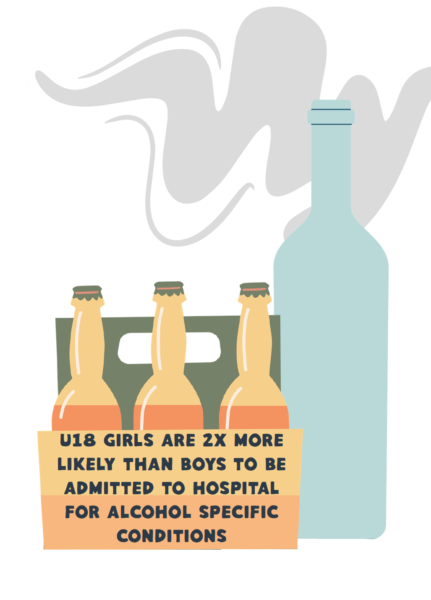
Generally younger adults (16-24) drink in smaller amounts and less frequently than older adults. However, the picture is nuanced as this group are also more likely to drink higher quantities in one go, often referred to as ‘binge drinking’. For under 18s in Devon, alcohol consumption is problematic, and we have consistently high, and above national average, admission rates for alcohol specific conditions in this age group. Under 18 girls are also more than twice as likely than boys to be admitted to hospital for alcohol specific conditions. Similarly, data from secondary pupils also suggests that girls are more likely to get drunk when they drink alcohol. More detailed insight around the risks of alcohol is detailed in the 2025 Public Health Annual Report.
Smoking & vaping
Smoking among children and young people in Devon remains low and the numbers of school age young people trying smoking continues to decrease. Of the small number who do smoke regularly, drivers of this behaviour include seeking to manage stress and emotional dysregulation, addiction, enjoyment, to join in with others, and to reduce hunger.
In contrast to smoking, vaping has become a more common behaviour as shown in the Behaviours page in the Annual Public Health Report dashboard, and is a growing concern for many, including for young people themselves. These concerns centre around the impact of nicotine addiction on the developing brain, the unknown long-term health consequences, and the risk of using adulterated vapes containing illicit substances. A Devon and Cornwall Police led initiative in 2025 found that of 228 vapes confiscated in schools across Devon, Plymouth, and Torbay, 6% contained an illicit substance such as spice or THC. The normalisation of vaping generally, exposure to marketing, and online promotions present new risks to young people, and this is particularly problematic in a context where young people feel dissatisfied, isolated, or unable to cope. Similar to smoking, young people who vape regularly have told us that the main driver for vaping is to find relief from stress and to also join in with others. Older school age girls in particular also referenced a belief that it helps to reduce hunger.
What is being done to support young people in Devon?
- A range of VCSE and NHS organisations provide support for young people ranging from emotional wellbeing support through to mental health treatment services
- Partners are working together to improve transitions from young person to adult services.
- Devon County Council commission Stop for Life to help young people quit smoking and vaping, YSMART to offer support to young people using substances, and Together to offer support to adults using substances.
- Devon County Council established and leads the multi-agency Youth Vaping Prevention Group, focusing on surveillance, intelligence, prevention, and early intervention.
- Devon County Council commission the Togetherness programme for Family Hub and Children’s Services staff, alongside online pathways for parents, carers, and teenagers.
- Devon County Council’s Family Safeguarding Team model embeds substance misuse workers to address parental substance misuse and Independent Domestic Violence Advisers within Children’s Services. This is complemented by the Y-Project, which supports children of adults who use substances.
- The area based Adolescent Panels support timely multidisciplinary decision making to ensure services targeted at adolescents in their area are available to them at the right level and at the right time.
What could make a difference?
- Better understand the views and experiences of underrepresented young people.
- Improving mental health support by focusing on needs of vulnerable groups, addressing gaps in services.
- A more detailed mental health curriculum in primary and secondary school, with opportunities for peer support.
- Adults (in education, community, and at home) to have increased awareness and understanding around mental health and the different factors that contribute.
- Maximise opportunities presented by Family Hubs, education, and community settings to provide accessible information, advice, and support on substance use, harm reduction, online risks, and available support services.
- Strengthen primary prevention approaches for children and young people by recognising and responding to shared risk factors and building resilience.
3.4. Education, work, and opportunities
Education, work and opportunity are central to young people’s health, wellbeing and future life chances. The essential skills, confidence and aspirations young people need to thrive in employment and adult life begin to develop from an early age and are shaped by a range of influences including their family, home environment, education, positive relationships, community networks, access to opportunities and targeted support where needed. For young people facing disadvantage, including those with SEND, these wider factors can play a particularly important role in enabling them to develop the capabilities and aspirations required to participate successfully in education, training and employment. Creating supportive educational environments where young people feel safe, understood, included and able to belong, prevents disengagement and is therefore crucial to supporting attendance, health, wellbeing and future opportunities. Taking a preventative approach, through early identification of risk factors and targeted support can help keep young people connected to education, employment and training opportunities, reducing the risk of becoming NEET. The longer young people are out of education or work, the greater the risk of poor mental and physical health, social isolation, and reliance on public services and welfare, as well as increasing the risk of substance misuse and involvement with crime.
Attendance at school
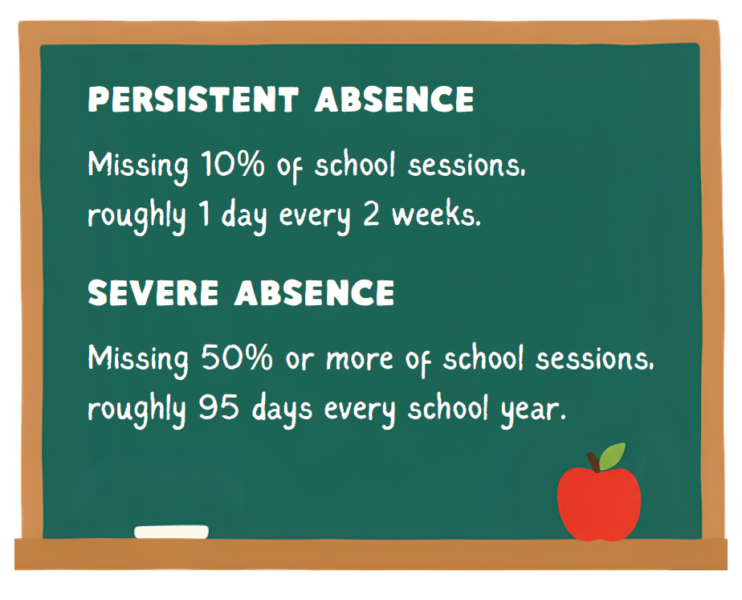
Although overall school attendance has improved since 2022, Devon has slightly higher rates of persistent and severe absence than the national average. Persistent absence means missing 10% or more of school sessions (half a day), and so is roughly equivalent to missing 1 day every two school weeks. Severe absence means missing 50% or more of school sessions, equating roughly to 95 days in a school year. Certain groups of children and young people are also disproportionately affected by this, with special schools having the highest levels of persistent absenteeism, and secondary schools having the highest levels of severe absence.
Attendance is therefore best understood as more than a measure of whether a young person is present in school. It is also a signal of whether they feel safe, whether learning feels accessible, whether the right support is in place, and whether families have confidence that needs are being understood and met. For Devon, this means bringing together attendance, inclusion, SEND, safeguarding, transport and family support so that the response focuses on the reasons behind absence, as well as the absence itself.
At the same time, there have been increasing numbers of young people in Devon who are learning at home instead of in schools. A range of reasons are behind this, but data indicates that home education is chosen for philosophical reasons by a minority, and increases have been driven by unmet needs, particularly around SEND, anxiety, and mental wellbeing. This was reflected in the Youth Voices Survey (2026), where some young people described negative experiences in the education system including concerns around academic pressure, limited access to appropriate support, and lack of flexibility for students whose needs were not being met.
A recent project delivered by the Family Minds Partnership in 2024-2026 highlighted that many families felt that they had no choice but to keep their children at home. Many of these young people didn’t feel safe or that they belonged in school, and many had SEND. It was also noted that poor school attendance was an indicator of psychological distress, and a symptom of colliding issues and/or complexity within the home. Families often experienced long waits for support and intervention, which compounded the issues – the longer the wait, the more detached the young people felt from their school communities, the more they fell behind with their work, the less contact they had with their friends, and the harder it was to return to education.
This points to the need for earlier, more coordinated support around emotionally based school avoidance, anxiety and unmet SEND needs. The most effective responses are likely to be relational and practical: listening to young people and families, supporting schools with advice and problem solving, using flexible approaches where needed, and keeping a clear focus on belonging and reconnection.
| The voice of young people from the Devon Youth Council | |
| Reasons for home education | What helps attendance |
| School or college is too stressful Anxiety is too high to cope in school or college Loneliness and isolation Bullying The school or college that was best suited was too far away Not being supported or listened to by staff Setting unable to meet needs Setting too large/too many people | Having good friends Kind and supportive teachers School/college close to home Interesting and enjoyable lessons Clubs and activities Someone to talk to Support and encouragement from parents/carers Feeling listened to, valued, and understood at school Good mental health support Affordable transport |
“I have no friends in my lessons, I get a sick feeling in my stomach going to lessons knowing I’m sat alone all day”
[Devon Youth Council, 2024]
Experience of bullying is unfortunately nothing new. But data from the Pupil Wellbeing Survey in 2024/25 shows that over time bullying has become more prevalent, with up to a third of secondary age pupils sometimes feeling afraid to go to school because of bullying. The reasons for bullying are varied, but appearance-based bullying is the most common type– this includes being bullied for what you look like, your size or weight, and the clothes you wear, and could be linked to high levels of appearance related anxiety.
Some pupils also report being bullying because of their sexuality (8%), gender (7%), a disability (9%), and their ethnicity (7%). This is also reflected in the Bullying, Prejudice, and Racist Incidents data collected by Devon County Council which shows an 18% increase in the number of incidents of this type over the past two years. Whilst the number of incidents relating to gender identity and sexual orientation has remained stable, the intensity and level of targeting seems to have increased.
“I’ve been living in Devon since I was 8 years old. I’ve lived up in the north of Devon, now living in the west. I’ve had experiences – especially being a person of colour – of not feeling welcome, not always explicitly being told, but also reading the room and reading people’s actions.”
[Devon Youth Council, 2025]
Although recent figures show that Devon’s NEET (Not in Education, Employment, or Training) rate is lower than the national average, inequalities are hidden within this. Young people who are care experienced, have SEND, are young carers or live in coastal areas are more likely to become NEET. This is reflective of the challenges around transport, opportunities, and isolation that young people have described that make it difficult to participate in education, training, or work. Local authorities have a statutory duty to support the participation of young people in education, employment and training, including identifying, tracking and providing support to those who are at risk of becoming, or who are, not in education, employment or training (NEET). This includes working with partners to promote sustained participation, enable successful transitions into adulthood, and reduce the risk of long-term disengagement. In Devon, 16- and 17-year-olds living in rural areas are just as likely to be full-time students as those living in urban areas, but less likely to be NEET (4% rural, 6% urban) as highlighted in the Education and Opportunities page from the Annual Public Health Report dashboard. This difference is likely influenced by the generally stronger socio-economic profile of Devon’s rural communities, which may provide young people with greater access to the protective factors associated with sustained participation in education, employment and training. Reducing NEET is not just about helping young people access education or work, it is about having the right support in place to help them stay and do well once they are there. Doing this means looking at some of the foundational factors, as many young people, and particularly those who are experiencing disadvantage, also need support to have confidence in their own potential, resilience to cope with challenges and uncertainty, and the practical skills to navigate the demands required to do well in learning or work environments.
For young people with SEND, care experience, health needs or disrupted education, preparation for adulthood needs to begin early and be visible in day-to-day planning, not left until a young person turns 18. Young people are more likely to remain engaged with education, training and employment when they can see a clear pathway that connects their strengths, interests, support needs and future opportunities. This includes access to vocational learning, supported internships, apprenticeships, work experience and local employment routes, alongside practical support with travel, confidence and wellbeing.
The future
There have been significant social, economic, and political changes since the pandemic, and understandably one of the most common worries for young people is their future and what opportunities may be available to them. This includes concerns around finding a job after finishing education, the prospect of taking on student debt, and whether they will ever be able to own their own home. As part of the Youth Voices Survey (2026), when asked whether they could see a future for themselves in Devon, the most common response was “Maybe – not sure yet”, followed by “No, I want to leave”. At best this shows that young people are ambivalent about their future in Devon, and many young people have expressed low confidence that their needs, ambitions, and long-term opportunities are being invested in and prioritised.
The current reality is that more educated young people leave Devon to pursue higher education, employment, and other opportunities elsewhere. While this is a common pattern across many areas of the UK, some young people perceive that opportunities are more diverse or accessible outside of the county. This can create challenges in attracting graduates and skilled young people back to Devon, particularly where there is a mismatch between their qualifications, career aspirations and the local labour market. Addressing both the reality and perception of available opportunities will be important in retaining and attracting young people, and ensuring that they can see a future for themselves within Devon. Young people describe the employment market in Devon as challenging, and many have concerns around low wages, seasonal work, limited professional opportunities, and a shortage of entry level positions. Two in five young people living in Devon hold a degree level qualification.
“I might have to move away because I can’t find employment anywhere close to my field. I have a Master’s degree and years of work experience, but I am still struggling because the available positions are considered too senior for someone my age.”
[Youth Voice Survey, 2026]
“Many are looking at job offers in Exeter as the large urban hub or moving further afield to Bristol or up country.”
[Youth Voice Survey, 2026]
In some of Devon’s rural and coastal areas, the labour market is dominated by social care and hospitality. Although not spread evenly across the county, there are many ‘good’ jobs (ones that meet both basic needs like pay and security, and higher needs such as personal growth, purpose, and job satisfaction as described here) available in Devon. More localised careers advice would improve awareness of the variety of opportunities available to young people in Devon.
“Young people should be encouraged to pursue careers that are available in Devon rather than shipped off to university”
[Youth Voice Survey, 2026]
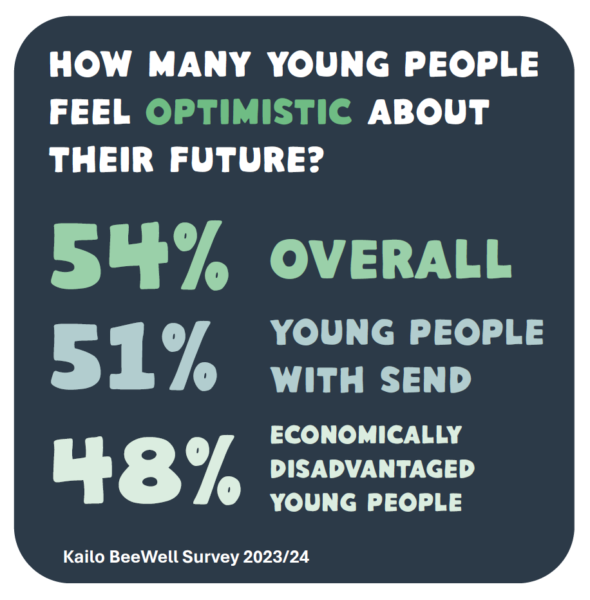
The Kailo Project found that young people felt a limited sense of agency when it came to their own future, with ambivalence and uncertainty dominant themes, with the latter limiting aspirations and optimism. This was particularly the case among neurodiverse and economically disadvantaged young people.
- Only 58% of young people feel supported to explore opportunities
- 27% for economically disadvantaged young people
- 29% for young people with SEND
- Only 54% of young people feel optimistic about their future
- 48% for economically disadvantaged young people
- 51% young people with SEND
Studies suggest close social networks in rural areas may help people find work and there is evidence of this in Devon. Statistically, students (21-24 years old) living in urban areas in Devon are more likely to be economically inactive (not in work or looking for a job) than those living in rural areas, and young people aged 21 to 24 are more likely to be employed if they are living in a rural area. However, there remains a perception that living outside of larger towns means limited employment opportunities. The national Young People and Work: Interim Report (May 2026), led by Alan Milburn, identified youth economic inactivity, particularly among young people with health and mental health challenges, as a growing national issue with significant consequences for individuals, communities, and the economy. Preventing young people from becoming disconnected from education and employment requires earlier intervention, better mental health support, more coordinated services, and improved pathways into work, particularly for those facing health-related and social disadvantages.
What is being done to support young people in Devon?
- Devon’s Best Start Family Service brings together parenting support, health services and early education so families can easily find the right help, at the right time, close to home.
- Inclusion and Learning are working in localities to support schools with emotion-based school avoidance, adoption of relational practice, and implementation of Ordinarily Available Inclusive Provision.
- Public Health host the Devon Schools Wellbeing Partnership, a universal whole school approach focused programme providing access to information and guidance, resources, and funded training.
- Devon County Council fund SPACE youth services to deliver ‘What now? What next?’ NEET prevention programme, aimed at care experienced children/young people, children under child protection plans, and children in need, and Chances Alternative Education Emotion Based School Avoidance provision.
- The SEND Reform and Transformation Programme is a large-scale programme of system change designed to improve outcomes and experiences for children and young people with SEND; to strengthen inclusion wherever possible within mainstream settings; and improve system quality, resilience and financial sustainability.
- Experts at Hand aims to strengthen the capability of mainstream education settings to meet the needs of children and young people with SEND more effectively and inclusively, by providing a new route to access expert advice and support from education and health professionals.
- Work across Inclusion and Learning is supporting schools and settings to strengthen inclusive practice, respond to emotionally based school avoidance, develop relational approaches and make the ordinarily available offer clearer and more consistent for children, young people and families.
- The Devon Advisory Board for Inclusion is helping to bring partners together around a shared approach to belonging, early identification, locality working, workforce development, attendance, alternative pathways and trust in the system.
- Devon County Council, the Devon and Torbay Combined County Authority and partners are strengthening pathways into education, training and employment. This includes the Brighter Futures programme to reduce the number of young people not in education, employment or training; targeted participation and NEET prevention activity; the Careers Hub’s work with schools, colleges and employers; and action to address practical barriers such as transport, particularly for young people facing disadvantage. Partners are also developing more person-centred support for young people who face health, SEND, care experience or other barriers to participation, linking careers advice, education and training opportunities, employment support and local provision. Devon County Council provides a range of work experience opportunities across the organisation and is actively involved in the Devon Cornerstone Employer Network, which brings together employers committed to supporting careers education and workplace experiences.
What could make a difference?
- Widespread implementation of relational behaviour policies in school and creating a school environment were young people feel safe.
- Building support around the contributing factors that are barriers to education and not solely focusing on attendance.
- Provision of support for parents and carers whose children are unable to attend school at the earliest opportunity.
- Earlier identification of children who will be most at risk of school absence, and subsequent early intervention and support.
- Person-centred and supportive educational pathways, based around individual strengths with options for vocational and practical learning routes.
- Strengthening early identification and targeted support for young people at risk of disengaging from education, training or employment, particularly those with health needs, SEND, care experience or other disadvantages.
- Strengthen transitions into and between schools, post-16 education, training and adulthood so that young people’s aspirations, support needs and next steps are understood early and acted on consistently.
- Promotional events and activities to increase awareness of and encourage engagement in the local economy and career paths and opportunities.
- Devon County Council, employers and businesses providing more opportunities to increase young people’s access to meaningful experiences of the workplace, including workplace visits, employer encounters, mentoring, insight days as well as work experience, internships, apprenticeships, and job opportunities for young people, building on existing careers education, advice and employer engagement to help young people understand careers, develop employability skills and broaden their aspirations and increase awareness of local career pathways, opportunities and progression routes.
- A Mayoral Strategic Authority, through its strategic leadership, convening powers and growing influence over skills investment and commissioning, would help strengthen alignment between education, training and labour market demand, creating a more integrated system with clearer progression pathways and improved access to employment opportunities for young people.
- Reviewing and implementing appropriate final recommendations from the forthcoming Milburn Review, which are expected to focus on strengthening young people’s transitions into education, training and employment, with a likely emphasis on employer engagement, vocational pathways, prevention of disengagement, and a greater role for place-based partnerships and Strategic Authorities in shaping local skills systems
- Strengthen transition pathways for young carers moving into adulthood, ensuring early identification, coordinated planning and effective links between young carers’ support, adult carer services, education, training and employment opportunities.
3.5. Relationships
Relationships are fundamental to young people’s health, wellbeing, development, and sense of belonging. Positive relationships with parents, carers, trusted adults, friends, and peers can provide emotional support, strengthen resilience, foster identify and confidence, and act as a protective factor against a range of poor outcomes. However, relationships can also be a source of harm, particularly where young people experience exclusion, peer pressure, bullying, abuse, exploitation, or unhealthy relationship dynamics. Understanding both the strengths and challenges within young people’s relationships is therefore essential to creating the conditions in which all children and young people can feel safe, valued, connected, and able to thrive.
Social isolation and loneliness are important issues for young people – they consistently report higher levels of loneliness than older adults, with those experiencing poor mental health, disability, socioeconomic disadvantage, or disengagement from education and employment at greatest risk. Loneliness is associated with poorer wellbeing, anxiety, depression, and lower participation in education, training, and work, which highlights the importance of strong social connections as a key factor in improving outcomes for young people.
Safe & trustworthy adults
The National Youth Strategy identified access to ‘safe and trusted’ adults as a key indicator of success. Local intelligence tells us that the majority of young people do have a safe and trusted adult who believes in them, accepts them, is interested in them, is supportive, and they can talk to (Kailo 2024; Pupil Wellbeing Survey 2024). One survey (Kailo 2024) noted that parent/carer relationships are strong, and this could be further strengthened and capitalised on in prevention and early intervention efforts.
Young people reporting being fully or mostly accepted by parents/carers and peers.
| Group | Parents/carers | Peers |
| Overall | 87% | 61% |
| Economically disadvantaged | 81% | 56% |
| Boys | 87% | 66% |
| Girls | 84% | 60% |
| SEND | 82% | 56% |
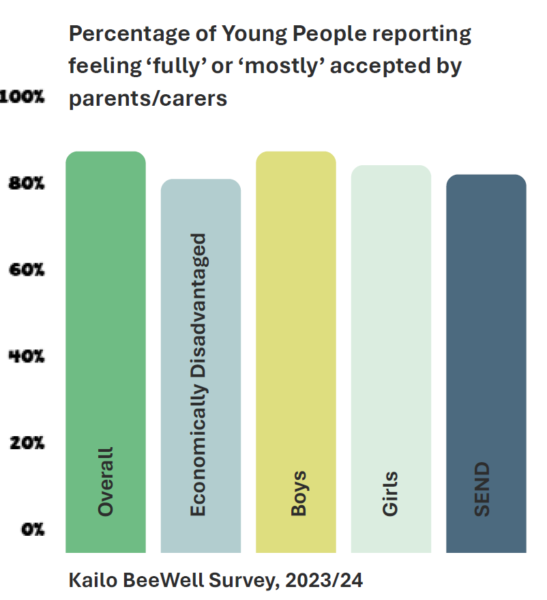
The findings demonstrate that parents and carers are a significant source of support for many young people and represent an important asset in prevention and early intervention efforts. However, they also show that not all young people benefit from these relationships equally. Even relatively high percentages mean that at least 1 in 5 young people may be missing this vital protective factor, potentially increasing their vulnerability to poor wellbeing and adverse outcomes.
Sexual health & wellbeing
Sexual wellbeing is not simply the absence of disease, dysfunction, or sexual problems. It is the ability to experience sexuality and intimate relationships in a safe, consensual, respectful, and satisfying way that supports overall health, happiness, and quality of life.
Sexual health forms a key part of relationships for young people. What is clear from local insight however is that what ‘sexual health’ means to young people is varied, with a general decline in young people’s knowledge and awareness, and misunderstandings when it comes to sexually transmitted infections (STIs), treatment, and contraception. A 2023 insight report also highlighted that few young people think of contraception when it comes to aspects of their sexual health.
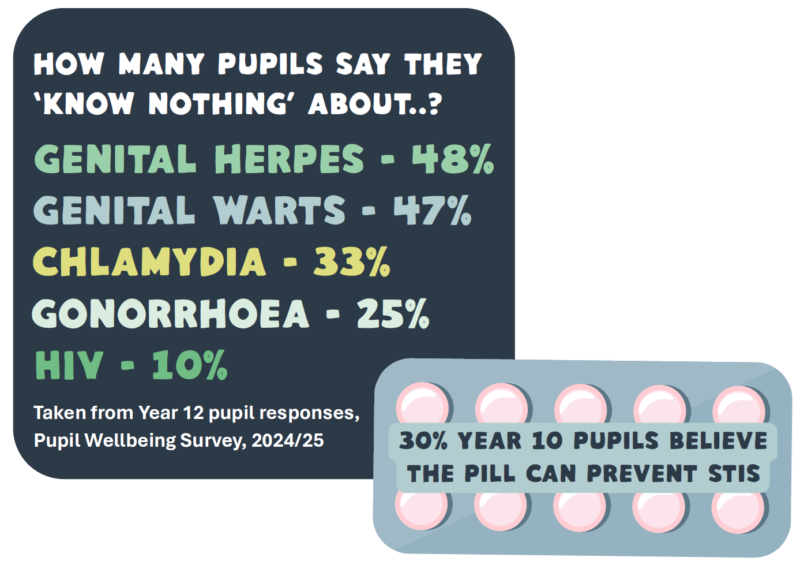
Young people experience a disproportionate burden of STIs in Devon, although rates remain stable and are lower than the England average. Chlamydia is the most diagnosed STI in this group, but both diagnoses and screening activity have declined in recent years, which may reflect fewer infections, changes to who is being tested, or a combination of these factors. Despite this decline, Devon achieves higher chlamydia screening coverage among young women than the England average, however it remains unclear whether young women at higher risk are being screened. While overall numbers are still small, the most recent data on teenage conceptions appear to show rates are increasing in under 18s and under 16s in Devon, in contrast to what is happening nationally. The Pupil Wellbeing Survey (2024/25) and a survey conducted by SPACE (2025/26) also highlighted poor knowledge around STIs and contraception.
Pupil Wellbeing Survey 2024/25
- 48% of Y12 say they ‘know nothing’ about genital herpes
- 47% of Y12 say they ‘know nothing’ about genital warts
- 33% of Y12 say they ‘know nothing’ about chlamydia
- 25% of Y12 say they ‘know nothing’ about gonorrhoea
- 10% of Y12 say they ‘know nothing’ about HIV
Contraception
- 10% Y12 believed long-acting contraception can prevent STIs
- 30% Y10 believed the pill can prevent STIs
Harmful sexual behaviour
Disappointingly, harmful sexual behaviour, which can include sexual harassment, assault, coercive control, exploitation, pornography, intimate image sharing, and the use of artificial intelligence (AI) and deep fakes is a common experience in young people’s lives, and reports are increasing. There is evidence of a growing gender divide among younger generations, with evidence indicating young men and women are differing more sharply in their views on feminism, gender equality, and gender roles than older generations do. Much of this is influenced by misogyny, which is the hatred, hostility, or devaluation of women and girls, often linked to beliefs about male dominance and control.
“In my old school there was a deep fake sent around of two students naked… it was sent around the whole school…”
[SPACE ‘Is This Okay?’, 2025/26]
Forms of misogyny, particularly online misogyny, have become more visible, influential, and concerning in recent years, with the emergence of the ‘manosphere’ – a loose network of online communities, influencers, and content that promote harmful ideas about gender and relationships. This includes spaces linked to ‘incel’ culture, misogynistic influences, and content connected to pornography and exploitation. Young people often encounter this via social media, gaming platforms, and video sharing sites, often amplified by algorithms. Misogyny undermines sexual wellbeing by limiting equality, autonomy, safety, and respect in relationships and society, as this is most likely to flourish in environments where gender equality and mutual respect are promoted.
“Young women especially feel left behind. I’ve been sexually harassed or been prejudiced against every year since I started secondary school. Men and teen boys feel they can get away with misogyny and it’s not good enough.”
[Youth Voice Survey, 2026]
Some groups of young people experience heightened vulnerability to harmful sexual behaviour, including children with SEND or neurodivergence, care experienced children and young people, those exposed to multiple adversities, people identifying as LGBTQ+, those who are ethnically diverse, and young people experiencing social disadvantage. These vulnerabilities can exacerbate the impact of harm and make it harder to report or escape. We also see some correlation between some of these vulnerabilities and those children and young people who cause harm to others.
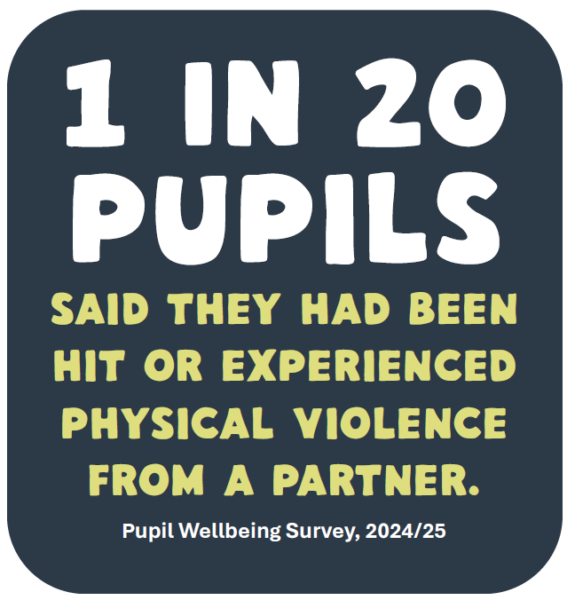
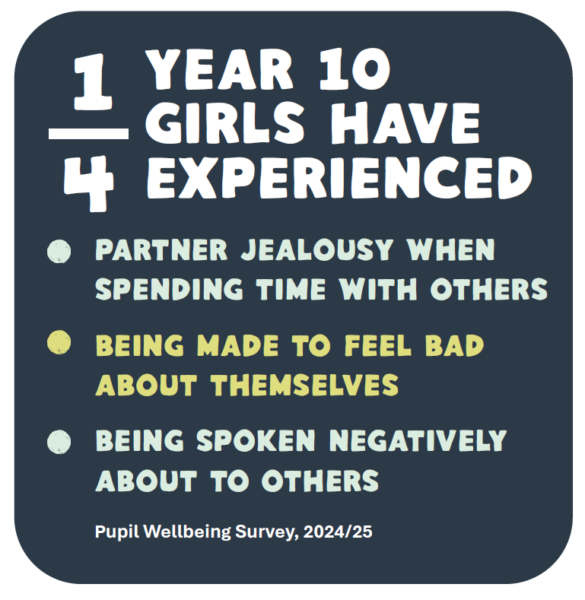
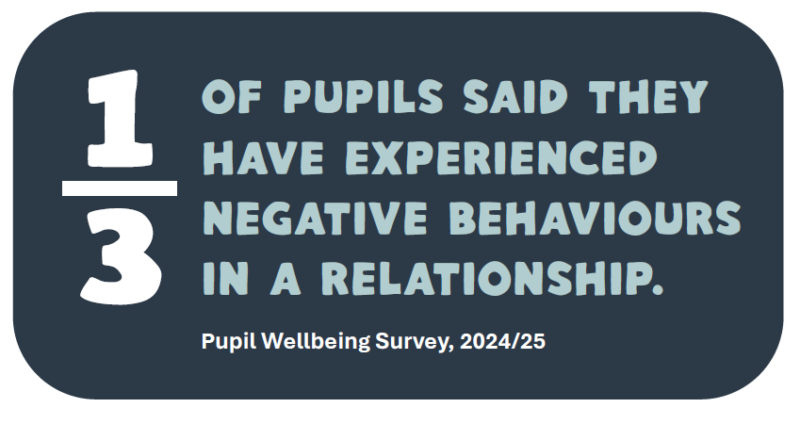
A survey of over 700 young people by SPACE Youth Services in 2025 found that 62% of females, 32% of males, and 81% of ‘gender identities other than assigned at birth’ had experienced or witnessed behaviour that made them feel unsafe, uncomfortable, or disrespected because of their gender. This is consistent with the findings of the Pupil Wellbeing Survey (2024) where a third of respondents said they had experienced negative behaviours whilst in a relationship. This included a partner being jealous over spending time with others, being made to feel bad about themselves, being spoken negatively about to others, being pressured to have sex, and experiencing hurtful or threatening language. Concerningly, 1 in 20 said they had been hit or experienced physical violence from a partner.
“I was messaging a guy and he said I’ll break into your house if you stop messaging me.”
[SPACE ‘Is This Okay?’, 2025/26]
“My ex poured Monster drink on me and made me deal for him. He didn’t let me see my friends…Once I woke up to him trying to take my clothes off”
[SPACE ‘Is This Okay?’, 2025/26]
It’s hard to say no to teenage boys because they just go on and on.”
[SPACE ‘Is This Okay?’, 2025/26]
What is being done to support young people in Devon?
- The Safer Devon Partnership works closely with a wide network of strategic partnerships, including the Devon Safeguarding Children Partnership (including the Child Exploitation Strategic Group), Torbay and Devon Safeguarding Adults Partnership, Devon Health and Wellbeing Board, Devon Drug and Alcohol Strategic Partnership, Devon Youth Justice Partnership Board and the Devon Trauma Network, to improve community safety.
- Expansion of the Let’s Talk programme that provides trusted, expert guidance through webinars and toolkits to help professionals, parents, and carers supporting children and young people facing challenges such as exploitation, unhealthy relationships, online safety, and mental health.
- Devon Public Health commissions an integrated sexual health service is provided through Devon Sexual Health, including access to an online offer for information, testing, and contraception.
- Provision of RSE and PSHE teaching resources and training through the Devon Schools Wellbeing Partnership.
- SPACE youth services have delivered ‘Is This Okay?’ programme to educate pupils around healthy relationships and reduce harmful sexual behaviour, and a Domestic Abuse Project in partnership with Young Devon to support young people who have experience of domestic abuse.
What could make a difference?
- Greater awareness within communities about the law, consent and healthy relationships, how to intervene, and how to access support.
- Supporting schools to deliver comprehensive, inclusive, and good quality RSE that includes how to recognise unhealthy, abusive, or controlling behaviours, and how to challenge misogyny, sexism, and harmful stereotypes.
- Better access to services for young people in rural and coastal areas, including higher risks groups who find it harder to access services.
To access more information about the data, please visit: Annual Public Health Report – Public health in Devon
4.Reflections
The insight and voices that have been shared by Devon’s young people from a variety of sources give us a clearly articulated idea of what matters to them. From transport, to safety, to relationships, the topics may be varied but across all themes young people consistently communicate the importance of trusted relationships; safe and supportive communities; feeling and being heard; inclusive education; accessible opportunities; and timely support in enabling them to build a successful, happy, and healthy future in Devon. Underpinning these, there is an interwoven thread of desire for better connection and sense of belonging. These concepts are broad and may mean something slightly different to us all, but as social beings we are fundamentally wired to seek them out. If we feel excluded, marginalised, undervalued, or that there isn’t a place for us, this undoubtedly has a significant impact on all facets of our wellbeing, and the consequences of such are evident in the current experience of young people.

Creating a stronger sense of belonging requires more than aspiration; it must be reflected in young people’s day-to-day experiences. This means having trusted relationships, feeling understood within education settings, access to flexible support when challenges arise, transport that enables participation, and clear pathways into opportunities and services. Devon already has significant strengths through its youth provision, inclusion and learning work, SEND reforms, locality partnerships, Family Hubs, careers activity, and community networks. The opportunity now is to connect these assets more effectively so that support is experienced as a joined-up system that reduces barriers, strengthens resilience, promotes participation, and enables all young people to feel that they belong and have a meaningful place within their communities and Devon’s future.
The issues highlighted by young people throughout this report do not sit neatly within organisational or professional boundaries. Themes such as belonging, emotional wellbeing, inclusion, attendance, preparation for adulthood and access to support are interconnected and require coordinated responses across education, health, social care, public health, community and voluntary sector partners. As Devon continues to develop initiatives such as Family Hubs, Family Help, SEND and inclusion reforms, and wider partnership programmes, there is an opportunity to further align support around the needs and priorities identified by young people themselves.
Whilst there is an inherent universality around this, it is clear that there are some young people who are consistently and disproportionately affected across a range of topics and are at most risk of experiencing harm from health inequality. This highlights the importance of identifying the shared risk and resilience factors – such as strong relationships, social connectivity, and sense of belonging – as part of prevention, early intervention, and wider action to address the social and structural determinants of health that contribute these inequalities.
“So much is expected of our generation, we want change, the change we want is not heard and is mostly disliked. Our generation is weighed down by so many problems.”
[Youth Voices Survey, 2026]
Schools, colleges, sports clubs, leisure and interest groups, community groups, and youth provision offer young people opportunities to experience connection and belonging in many different forms. They offer spaces for positive interactions with safe and trustworthy adults, peers, and role models, with people who share their views, and also those who don’t. Young people want to be involved in their communities, in decision-making, and local politics, but don’t always know how to. These settings are therefore critical in offering young people the chance to work out what matters, what their values are, how to manage conflict, and to feel part of something, helping to build confidence, self-esteem, and work out where they fit in.
Creating hope and opportunity for the future should be key priorities. Young people are more likely to feel optimistic when they can see clear and achievable pathways into education, training, and employment; when their ambitions are valued and supported; and when their experiences and views are taken into account in decisions relating to their future. This means providing person-centred careers advice; increasing access to opportunities locally to retain our young people; and ensuring that all young people, especially those facing disadvantage, can develop the confidence, resilience, and sense of agency and autonomy that is needed to shape their own futures. By helping our young people see a place for themselves within Devon’s future and their local communities, we can support their aspirations, strengthen wellbeing, and enable them to thrive.
5. Recommendations
- System partners should commit to meaningfully involving young people, particularly those from under-represented groups, in planning, strategy, commissioning and local decision-making, and develop with young people a shared approach to implement this commitment.
- System partners should work with young people and support and build on the targeted work being undertaken to support young people to access, employment, education and training, through the Devon and Torbay Combined County Authority, including ensuring a coordinated approach to transport and digital accessibility, to meet the needs of young people.
- Take forward key partnership opportunities to improve learning and economic inclusion outcomes for young people enabling them to thrive through creating safer and inclusive learning environments.. This should include relational practice, earlier support for emotionally based school avoidance, stronger links between attendance and inclusion work, and practical support for children and young people with SEND and other additional needs.
- Greater support and enhanced partnership working with Inclusion and Learning and education settings through the Devon Schools Wellbeing Partnership to deliver comprehensive, inclusive, and good quality PSHE and RSE, and explore how this offer is delivered to children and young people who are not in an educational setting. This will include accessible approaches for children and young people with SEND, neurodivergent young people and those who may need information delivered in different ways.
- Enhance the County Council’s offer of employment for young people and seek binding commitments across public sector partners and anchor institutions to maximise opportunities for work experience, apprenticeships, supported internships and entry-level work, particularly for young people facing disadvantage or additional barriers. This should help young people see realistic routes into Devon’s future workforce and connect more clearly with local careers advice, preparation for adulthood and inclusive employment pathways.
- Coproduce and evaluate a digital youth service offer (in addition to the current face to face offer) to improve reach across rural, coastal, and more deprived areas of Devon.
- Test and learn frontline Public Health Nursing and Family Hubs staff supporting tenants, including young people to report of Category One Hazards discovered during a home visit, and to explore the feasibility of expanding to all Devon County Council staff doing home visits.
- Develop and promote a Best Start Family Hub offer for older children, young people, and their parents and carers, including the coordination and promotion of available support and information within each locality.
- Promote the themes from within this report, across the Council and leads across public sectors partners to strengthen shared delivery around belonging, attendance, inclusion, mental wellbeing, transport and preparation for adulthood, ensuring that young people’s experience of support feels joined up and that progress is understood through lived experience as well as activity and performance measures.
- Join the Coastal Navigators’ Network to develop knowledge and learning from other Coastal areas and work in agreed targeted coastal communities in Devon to improve outcomes for children and young people.
- System partners should actively shape the emerging Mayoral Strategic Authority arrangements to ensure new powers and funding across education, skills, employment, transport, and wider public services are used collectively to remove barriers to participation, strengthen 14–19 pathways and support early intervention to prevent disengagement and economic exclusion for our young people.
- Devon County Council should develop and publish a Devon ‘Youth Matters’ Strategic Plan in response to the national ‘Youth Matters’ Strategy.
6. JSNA
The Joint Strategic Needs Assessment (JSNA) looks at the current and future health and care needs of the local population, and it is a legal requirement of the Health and Wellbeing Board to produce and publish a JSNA. The assessment informs and guides the planning, commissioning and delivery of local health, wellbeing and care services. For more detailed JSNA information, data and intelligence, please visit Joint Strategic Needs Assessment – Devon Health and Wellbeing.
Devon is the third largest county in the country with beautiful natural environment and history attracting many residents and tourists to live and visit the area. Devon has great potential in providing individuals and families with the opportunity to live a healthy and fulfilled life. Like many areas, there are challenges which exist for Devon residents which can impact upon this ability to live a healthy life.
7. 2024/25 Annual Report Recommendations Update
| 2024/25 Recommendation | Progress Report |
| Work with partners, communities and individuals to increase the awareness and understanding of alcohol harm. | Public Health continues to work to raise awareness with our parters and communities. The Alcohol Harm Reduction subgroup of the Devon Drug and Alcohol Strategic Partnership was relaunched in March 2026 to connect partners and advocate for and address alcohol harm reduction across the system. |
| Develop a shared Devon alcohol strategy informed by evidence and data, local intelligence and the voice of lived experience to build collective understanding and shared responsibility for reducing alcohol harm | Public Health have organised a system-wide workshop in October 2026 to work towards developing an Alcohol Harm Reduction Strategy to build consensus on action across a range of partners. The focus will be on: prevention of harms through population-based approaches and person-centred early intervention, workforce development and capacity building, and finally, on supporting system wide shared responsibility for sustainable action to reduce healthcare demand. |
| Work in partnership to optimise all age pathways for primary, secondary and tertiary prevention, building capacity and capability within the system and addressing gaps for those with an alcohol need with a focus on joined up services and increasing investment where possible. | Work is on-going across partners to optimise pathways and develop resources to help meet needs. For example, YSmart are developing bespoke resources for young people affected by parental alcohol use, along with further training for practitioners. Public Health commissioned DrinkCoach (online app, website and 1-1 support) as a pilot project in April 2026 to raise awareness of alcohol harm and offer coaching to individuals identified as needing more support, adding more capacity into the system. Public Health added £319,087 to the Y-Smart offer which has helped embed Dialectal Behaviour Therapy, increase AQA education certificate delivery and grow the Y-Project offer for children impacted by parental substance use. |
| Continue to address the wider determinants of health including employment, housing and community safety, including work with partners to ensure the availability of safe housing for those with alcohol dependency according to housing-first principles. | Together have now fully embedded the Individual Placement Support service, supporting people in treatment find and maintain meaningful employment with first placements being achieved in March 2026. The service is currently achieving double the number of clients into work than their target set by OHID. The STaR project continues to support those who are rough sleeping or at risk of living with alcohol or other drugs. Feedback from the Housing providers in Exeter includes how STaR has helped prevent drug related deaths. STaR has also evolved the workforce to include two Cheer on Champions who help people to develop their resilience and independence and connect with activities in the community. Public Health continue to work with partners to support integrated working across multiple and complex needs. This includes a partnership event with the Torbay and South Devon Safeguarding Adults Partnership focused on improving how we work together to improve safety, wellbeing and outcomes for people experiencing multiple exclusion homelessness in Devon scheduled for January 2027. In August 2026, Andy Burnham announced his plans to end rough sleeping following on from the Labour Government’s homelessness strategy published in December 2025. Additional funding to support the Prime Minister’s ambition has been provided to housing authorities and public health are working with district partners and other stakeholders to develop the long term rough sleeping action plan. Public Health has worked closely with the Devon and Torbay Combined County Authority (DTCCA) to embed the core building blocks of health (e.g. secure jobs, safe homes, accessible transport) into their functions. As a result the DTCCA has: adopted the Local Government Association’s Health in All Policies framework; embedded health, equity and wellbeing considerations into all major strategies and investment decisions; and is working in partnership to align housing, transport, and employment support with health outcomes. DTCCA Corporate Plan. |
| Embed identification and brief advice in public-facing roles across the statutory and VCSE sectors in Devon, especially where people may be most vulnerable to alcohol harms. | A Launching in November 2026, Public Health have commissioned a new Alcohol ‘Making Every Contact Count’ (MECC) toolkit to support professionals and volunteers in community facing roles. The aim is to build knowledge and confidence in wider workforces and volunteers to have healthy conversations about alcohol and build this into everyday interactions. We are also scoping out a potential model for an alcohol health champion role and exploring how this could be piloted in priority places with the VCSE sector. The Vaccination Outreach Team in Devon continues to offer health checks (including identification and brief advice on reducing alcohol consumption) to individuals less likely to engage with primary care services. |
| Explore how to improve access to alcohol treatment for those who need it most through reviewing and improving the referral and self-referral processes and supporting GPs and other professionals in understanding and using these processes. | NHS Devon formulary reviewed and improved process implemented to support GP referral into treatment services. Together drug and alcohol services shifted to active promotion of professional referral alongside self-referral routes in recognition that many face barriers to self-referral. The Prevention of Drug and Alcohol related harms panel have completed an thematic review focused on alcohol which identified areas for system improvement and these are being implemented via partners. Through additional Public Health funding Together have recruited additional workforce training capacity to support system understanding and confidence in accessing the services they offer alongside wider drug and alcohol awareness, identification of need and harm reduction strategies. |
| Work in partnership with Devon local authorities to standardise and share alcohol licensed premises data alongside health, communities and crime data to better understand where licensing decisions may have a beneficial impact on health and wellbeing and to limit the growth of licensed premises in problem areas alongside continuing to advocate for a Public Health Licensing objective for decision making. | Scoping and learning from other areas with embedded Alcohol Licensing Tools has been undertaken. Metrics required for inclusion in a tool for Devon have been agreed and the first iteration is in development, with a District Council partner engaged to support this work i.e. providing some of the required data for the tool. |
| Ensure sustainable support for community hubs that support people struggling with alcohol harms and, more broadly, disadvantage. | The Learning Together to Build Healthier and More Resilient Communities programme is a joint initiative between Devon County Council’s Public Health and Communities teams, focused on supporting Devon’s 14 Priority Places, identified through the 2025 Index of Multiple Deprivation. The programme aims to reduce health inequalities and improve wellbeing by enabling communities, public services and local partners to work together to build resilience, strengthen local capacity and address challenges through a targeted place-based approach. It recognises that community challenges cannot be solved through single-service interventions and instead seeks to create the conditions for improved health and resilience outcomes. It combines Public Health investment with Crisis and Resilience Fund (CaRF) funding to support both preventative action and resilience-building activity. |
| Through the Association of Directors of Public Health continue to lobby Central Government for the reintroduction of the tax escalator on alcohol and the introduction of Minimum Unit Pricing in England. | Submission made to the October 2025 ‘Reforming the Licensing System’call for evidence. Press release from Devon County Council regarding the consultation – https://www.devon.gov.uk/news/devons-public-health-leaders-have-significant-concerns-about-extending-licencing-hours/ |
8. Appendices
Appendix 1: Creating this report
More detailed demographic and health information described in this report can be found on our dedicated Annual Public Health Report dashboard, and additional main sources of insight referenced throughout the report are summarised below. As part of the process of writing this report, an early draft was shared with two members of the Devon Youth Council for their view, and the full report was taken to the Youth Council. The report was also shared with senior colleagues from across Devon County Council and the Youth Participation team and reviewed by Public Health Leadership Team and the Executive Leadership Group.
| Source | Date | Description |
| Devon Youth Council | 2022-26 | The Devon Youth Council is a diverse group of young people from across Devon aged 11-25yrs. For this report we have reviewed their research and outputs on topics including: life transitions, mental health and wellbeing, places to go and things to do, and education. This includes survey data, and qualitative insight. Feedback on the report was sought from Youth Council members during drafting, and the final report was shared at Youth Council in September 2026 for feedback and comment on the recommendations and presentation. |
| Family Minds Partnership | 2024-26 | The Family Minds Partnership is a collaborative group of organisations working to improve mental health support for children, young people, and their families across Devon. Funded by the Eastern Devon Local Care Partnership Health Inequalities Fund and Public Health in 2024-2026, the primary focus has been supporting families and children and young people with Emotion Based School Avoidance. Part of this funded project included seeking feedback from families, and evaluation. Some of these views are represented in this report. |
| SPACE ‘Is This Okay?’ | 2025/26 | Funded through the Serious Violence Partnership, Teignbridge Community Safety Partnership, and by schools directly, SPACE youth services delivered the ‘Is This Okay?’ project in 2025/26 in 11 secondary schools across the North, Mid, South, and East of the county, to 178 young people. One of the components of the project included a survey of 704 young people (326 identified as male; 336 identified as female; 42 identified as ‘other’) on topics including relationships, sexual health, harmful sexual behaviour, online safety, and RSE. |
| Kailo BeeWell Survey | 2023/24 | Funded by the UK Prevention Research Partnership (UKPRP), the Kailo Project focused on the mental and emotional health and wellbeing of young people in North Devon and Torridge and specifically sought to understand their views around their aspirations and future. The project was school based, and included BeeWell, a school-based mental health and wellbeing survey. Seven secondary schools took part, which included 1301 pupils from years 8 and 10. |
| Make Your Mark | 2025 | Make Your Mark is an issue-based annual youth vote that helps inform the priorities of the Devon Youth Council. In 2025, 7160 young people from across Devon voted on their top issues. |
| Pupil Wellbeing Survey | 2024/25 | Funded by Public Health, the pupil wellbeing survey is comprehensive wellbeing survey completed by pupils primarily in years 4, 6, 8, 10, and 12. In the 2024/2025 survey, 5481 pupils took part in total from 47 schools across the county. For secondary age pupils, this included 1386 boys, 1227 girls, and 32 pupils who identified differently. |
| Sexual Health Insight | 2023 | Commissioned by Public Health, this insight focused on attitudes to sexual health in young people aged 18-24. Twenty young people aged 18-24 participated in the research (14 women; 5 men; 1 transwoman) and included a mix of young people from rural, coastal, and urban locations. |
| SPACE Discord Insight | 2026 | As part of their digital offer, SPACE led an online discussion group with 10 young people around the social media ban as part of the insight work for this report. |
| Youth Voice Survey | 2026 | Spark UK were commissioned by Devon Public Health for the purpose of this report to explore what life is like for young people aged 16-25 living in Devon. The research examined themes of belonging, safety, health and wellbeing, access to services, future opportunities, and online experiences. The research comprised of a survey which was completed by 181 young people aged 16-25 (116 identified as female; 41 as male; 18 as non-binary; and 6 preferred not to say), half identified as LGBTQ+, and 92% were from white ethnic backgrounds. Respondents were from young people across the county in rural, coastal, and urban areas. |