What parents and carers need to know
Summer is a time when many young people attend festivals, outdoor gatherings and events with friends. While these can be enjoyable and an important part of growing up, they can also bring risks relating to alcohol, drugs, relationships and sexual health, hot weather, water safety and personal safety.
Having open, supportive conversations can help your young person make informed decisions and know where to turn for help if they need it. You don’t need to have all the answers – keeping communication open is one of the most important things you can do.
Popular festivals and summer events attended by young people from Devon include those listed below, although the advice in this guide also applies to smaller events and summer gatherings.
Boardmasters – Newquay, Cornwall
Beautiful days – Ottery St Mary, Exeter
Tunes Festivals – various South West locations
Simple ways to support a young person
Start the conversation
Talk openly about plans, expectations and staying safe.
Regular, non-judgemental conversations can help your young person make informed decisions and feel comfortable asking for help.
Plan ahead
Talk about travel arrangements, meeting points and getting home safely.
Agree what to do if plans change, how they’ll stay in touch and who they can contact if they need help.
Look out for wellbeing
Talk about alcohol, drugs, relationships, sexual health, hot weather, water safety and personal safety.
Encourage your young person to look after themselves and their friends.
Talking about staying safe
A calm, supportive conversation before an event can help your young person stay safe, stay connected and know where to turn for help if they need it. Agree a plan together and remind them they can contact you if they need support, without fear of being judged.
Where they are going and who they will be with
How they will get there and home again
What to do if they get separated from friends
How they will keep their phone charged
Who they can contact in an emergency
Looking out for friends and getting help if someone is unwell or vulnerable
- Personal safety and wellbeing
Festivals and other summer events can be busy and unfamiliar environments. Talking about personal safety and staying safe in crowds can help young people feel more confident and prepared.
Encourage your young person to:
- Stay with trusted friends where possible
- Agree a meeting point in case they get separated
- Keep their phone charged and switched on
- Trust their instincts if a situation, place or person makes them feel uncomfortable
- Never feel pressured to do something they do not want to do
- Seek help from event staff, security or other trusted adults if they feel unsafe
Remind them that it’s always okay to leave a situation, ask for help or contact you if they need support.
- Talking about relationships, consent and sexual health
Summer events can be a good opportunity to have open conversations about relationships, consent and sexual health. Helping your young person understand how to keep themselves safe and respect others can support them to make informed decisions.
Talk together about:
- What healthy relationships look like
- The importance of consent and respecting boundaries
- How alcohol or drugs can affect judgement and the ability to give or receive consent
- Looking out for friends and seeking help if someone is vulnerable or unsafe
- Being prepared and carrying condoms if they are sexually active
Young people aged 13–24 can order free condoms and safer sex products through Doink, Devon’s free online sexual health service, with postal delivery and collection options available.
Free testing for sexually transmitted infections (STIs) is available online and at sexual health clinics across Devon.
Brook also provides information, advice and resources to help parents and carers talk to young people about relationships, consent and sexual health.
- Looking after friends and getting help
Young people can play an important role in keeping one another safe. Knowing how to spot when someone needs help and what to do in an emergency can make a real difference.
Encourage your young person to:
- Check in on friends regularly
- Look out for anyone who seems unwell, distressed or vulnerable
- Get help from event staff, security or medical teams if someone needs support
- Stay together where possible and make sure everyone gets home safely
Talk about how to recognise when someone may need urgent medical help. Warning signs include:
- Being unconscious or difficult to wake up
- Slow, shallow or stopped breathing
- Blue or pale lips or fingertips
- Confusion or disorientation
- A seizure
- Chest pain
If they notice any of these signs, they should seek help immediately. If it is safe to do so, place the person in the recovery position and stay with them until help arrives.
Encourage them to be honest with medical staff about any alcohol, drugs or other substances that have been taken so they can provide the right treatment and support.
Read more tips on how to keep your mates safe next time you’re out.
- Hot weather and summer safety
Outdoor events can increase the risk of dehydration, heat exhaustion and sunburn. Talking about how to stay safe in the sun and recognise the signs of heat-related illness can help your young person enjoy summer events more safely.
Encourage your young person to:
- Drink water regularly
- Carry a refillable water bottle
- Take breaks in the shade
- Wear sunscreen, sunglasses and suitable clothing
- Eat regularly throughout the day
- Keep an eye out for signs of heat exhaustion or dehydration in themselves and others
Signs of heat exhaustion include:
- Headache
- Dizziness
- Feeling sick
- Excessive sweating
- Muscle cramps
- Being very thirsty
If these symptoms develop, they should move to a cool place, drink water and rest. If symptoms do not improve, seek help from event medical staff immediately.
Remember: alcohol and drugs can make the effects of heat and dehydration much worse.
- Water safety
Many summer events and gatherings take place near the coast, rivers, lakes and other open water. Although spending time in and around water can be enjoyable, it can also be dangerous, particularly when combined with alcohol, drugs, peer pressure or taking risks.
Having open conversations about water safety can help your young person understand the risks and make safer choices.
Talk together about:
- The dangers of swimming in unfamiliar locations
- How cold water can affect the body, even on warm days
- The risks of jumping into water from height or entering water alone
- How alcohol and drugs can impair judgement and increase the risk of drowning
- Looking out for friends and knowing when to get help
Encourage your young person to:
- Stay with friends and look out for one another
- Choose lifeguarded beaches where possible
- Avoid swimming after drinking alcohol or taking drugs
- Never jump into water without knowing its depth or what may be beneath the surface
- Call 999 and ask for the Coastguard if someone is in trouble at the coast
The Royal Life Saving Society UK (RLSS UK) has produced guidance to help parents and carers talk to teenagers about staying safe around water, including tips on having positive conversations and reducing risky behaviour.
Read RLSS UK’s guide to talking to teenagers about water safety.
- Alcohol
Many young people will encounter alcohol at summer events, even if they do not plan to drink. Having open conversations about alcohol can help them understand the risks, reduce potential harms and make informed choices.
Talk about:
- The impact alcohol can have on decision making and personal safety
- Managing peer pressure and feeling confident to say no
- Choosing alcohol-free options
- The dangers of mixing alcohol with drugs, which can increase the risk of harm
- Never accepting drinks from someone they do not know or trust
- Keeping their drink safe to reduce the risk of spiking
If your young person plans to drink alcohol, encourage them to:
- Stay hydrated and alternate alcoholic drinks with water or soft drinks
- Eat regularly
- Never leave drinks unattended
- Stay with trusted friends and look out for one another
- Know where welfare and medical services are located
- Seek help immediately if someone becomes unwell after drinking
Alcohol can increase the risk of dehydration, heat exhaustion and sunburn, particularly during hot weather. It can also affect driving the following day, even when someone feels well enough to drive.
If you’re concerned about your young person’s drinking habits. support is available:
Young people under 18 and their families can access advice and support from Y-SMART.
For those aged 18 and over, the free and confidential DrinkCoach Alcohol Test can provide personalised advice and information about support available in Devon.
Read Alcohol Change UK’s advice on drinking alcohol in hot weather.
Use the Morning After Calculator to estimate when alcohol may have left your system.
- Drugs
Many parents and carers find it difficult to talk about drugs, but honest, non-judgemental conversations can help young people understand the risks, reduce potential harms and make safer choices.
You could talk about:
- The fact that no drug use is completely risk free
- How drugs can affect judgement, behaviour and personal safety, and how they affect people differently
- The risks of taking substances when they do not know what is in them
- Why festivals and parties are not safe places to experiment with drugs
- Avoiding pressure to take drugs and feeling confident to say no
Ecstasy (MDMA), ketamine, LSD, and Laughing Gas (NOS) are among the drugs most commonly associated with festivals and summer events for young people. It’s also important to remind young people that possessing, supplying or using illegal drugs is against the law. Festival organisers may remove people from the site and police action may be taken.
Mixing drugs with alcohol or other substances
Using more than one substance at a time (sometimes called polydrug use) can significantly increase the risk of harm.
Mixing alcohol with other drugs can be particularly dangerous. Drinking alcohol with any drug will enhance the effects. Different substances can create unpredictable and sometimes fatal reactions, increase harmful side effects and raise the risk of overdose. For example, mixing Cocaine and alcohol creates a toxic substance called cocaethylene, which can put extra strain on the heart and liver.
Read FRANK’s advice on mixing alcohol and drugs.
Festivals and drug safety
Festivals and summer events can increase the risks associated with drug use. Talk to your young person about how:
- Hot weather, crowds and long periods of activity can increase the risk of becoming unwell
- Drugs may not be what they are sold as
- Dangerous substances can be mixed into drugs without the user’s knowledge
- Mixing alcohol and drugs, or using multiple drugs, significantly increases the risk of harm
If you think your young person may experiment with drugs, encourage them to:
- Find out where medical and welfare services are located when they arrive
- Stay hydrated and drink water regularly
- Eat throughout the day
- Take breaks from dancing or other strenuous activity
- Stay with trusted friends and look out for one another
Some festivals provide naloxone, a medicine that can temporarily reverse an opioid overdose while emergency help arrives.
Did you know?
Dangerous synthetic opioids, including nitazenes and fentanyl, have been found in some drugs sold as other substances. This means people can be exposed to opioids without knowing it. Knowing where naloxone is available at an event could help save a life.
Further information
Learn more about drugs and their effects.
Read FRANK’s Festival Guide for practical advice on staying safe, looking after friends and knowing when to seek help.
Contact FRANK for confidential drugs advice and information.
Find support from Y-SMART for young people, parents and carers across Devon.
- Support for parents and carers
It’s normal to have concerns about your young person attending festivals and other summer events. Whether you’re looking for guidance on talking about drugs and alcohol, supporting your young person’s wellbeing or finding local family support, you don’t have to navigate these conversations alone. Advice, information and support are available for parents, carers and young people across Devon.
Drugs and alcohol support
If you’d like support with talking to your young person about drugs and alcohol, or you’re concerned about their substance use, the following services can help:
- Find advice and support on our alcohol and drugs parenting support webpage
- Let’s Talk Safer Families provides information, toolkits and online sessions to help families keep young people safe, including support around drugs and alcohol.
- Y-SMART provides substance misuse services for young people under 18 across Devon, as well as support for parents and carers.
- Waythrough provides drug or alcohol support services for people aged 18 and over across Devon.
- For those aged 18 and over, the free and confidential DrinkCoach Alcohol Test can provide personalised advice and information about support available in Devon.
Advice and support for families
- Support for parents and carers – advice, guidance and local resources.
- Healthy Children – information, services and support for families.
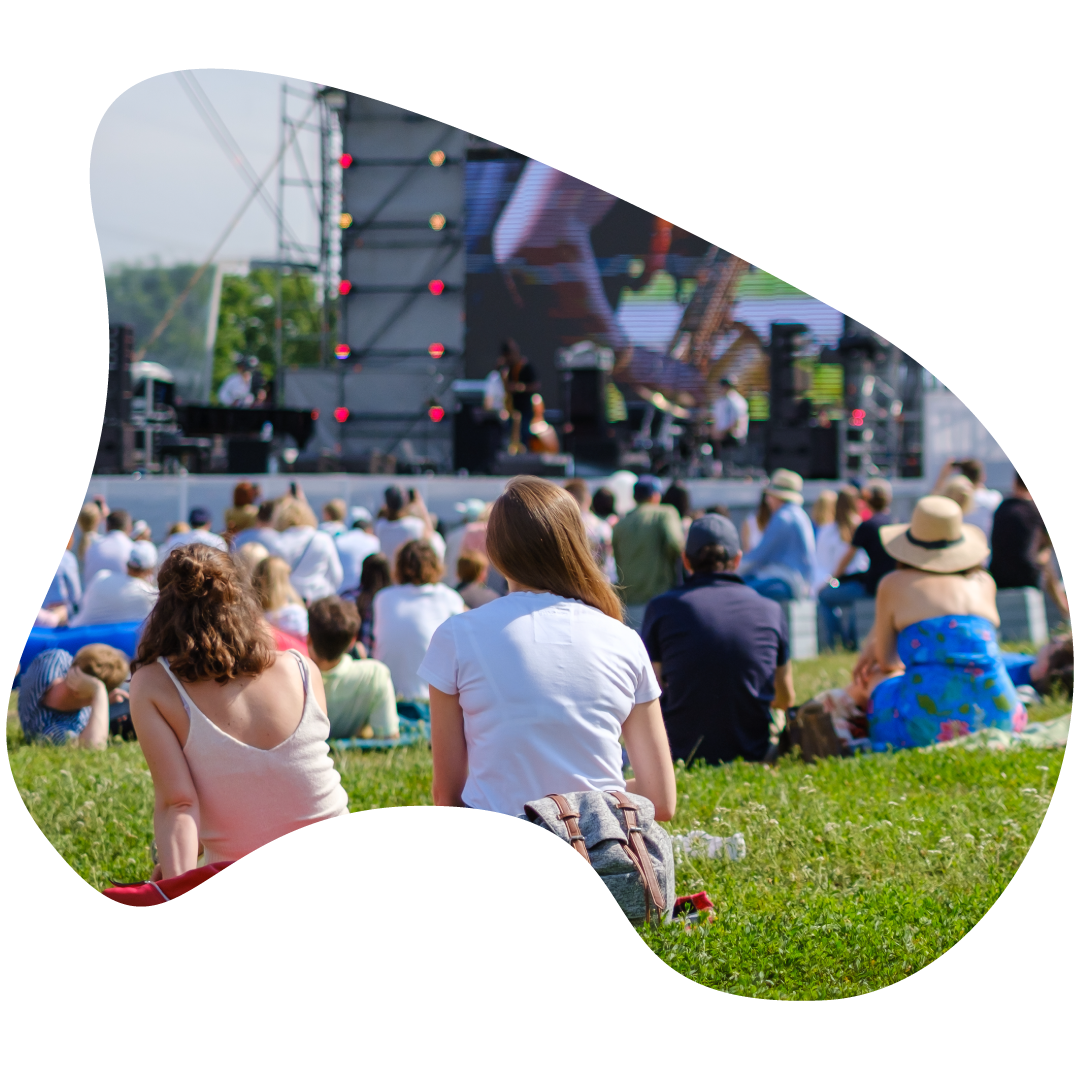
After the event
Checking in with your young person after a festival or summer event can help them reflect on their experience and let them know you’re there if they need support. A simple, open conversation can often be the best way to understand how they’re feeling.
Encourage them to:
- Rest and recover
- Rehydrate and eat well
- Talk about how the event went
- Seek help if they feel physically or emotionally unwell
Some young people may feel tired, overwhelmed, anxious or low after a large event. Taking time to listen without judgement can help them feel supported and more comfortable asking for help if they need it.
If you’re concerned about your young person’s mental health or wellbeing, support is available.
Young Devon’s Kooth service offers free, confidential mental health support for young people: Chat with Kooth.