Information for residents affected by flooding
A guide for those recovering from a flood event. This leaflet is not intended for use during a flood event. If you are currently flooding and there is risk to life, safety or property you should call 999.
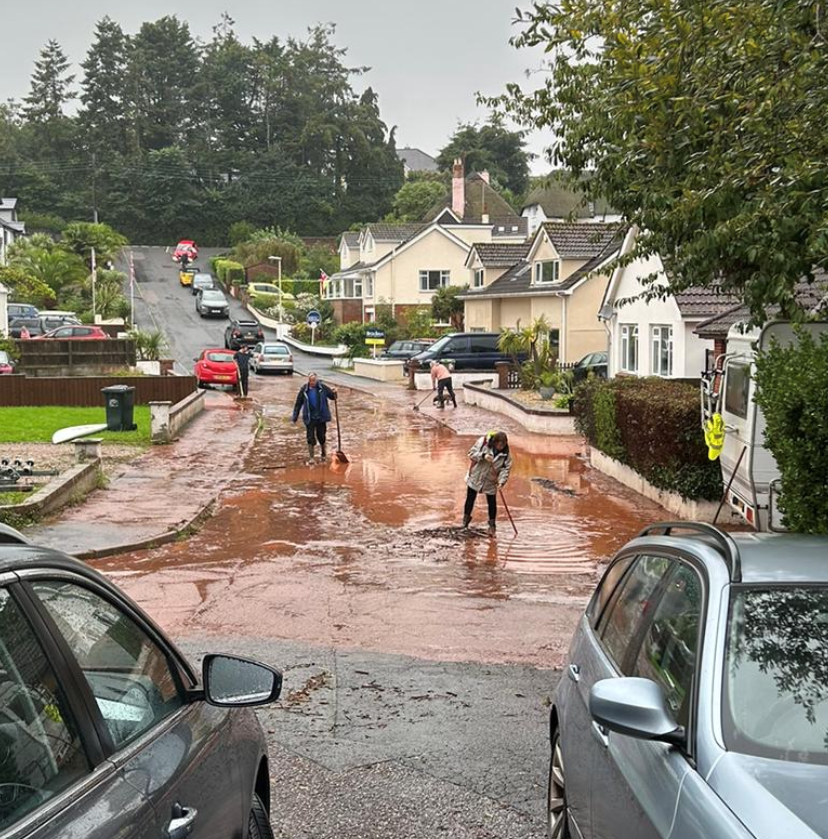
What to do after a flood event
Flooding to your property is a horrible experience and it can be very distressing. It is important to get the right advice on how to recover.
If you have had to leave your property due to flooding, you should check with emergency services that it is safe to return before you do so.
This leaflet provides guidance on steps to take to return to your property after the flooding has subsided. The back of this leaflet has some useful contacts that can provide information or support.
You will need to report the flooding to your insurance provider, and you should also contact your local council to report the flooding and get any help they can offer.
What information should you record and report
Take photos of all of your property and possessions that have been damaged.
Keep a record of the people that you talk to such as insurance companies and builders.
Take a meter reading, as electricity used to repair your property such as for dehumidifiers can be covered by insurance.
Take photos of tide marks on your walls, indicating the level flood waters reached.
Report power outages to National Grid.
Report flooding to your local council. In Devon: www.devon.gov.uk/floodriskmanagement/
Flooding and your health and safety
Flooding can have a range of health impacts, both physical and mental, so it is important to get the right help early if you need it.
Flood water is often very dirty and can spread diseases. Debris washed into your property by a flood can also be a hazard.
Cleaning your home and possessions and staying safe while doing so is very important.
Getting your home dry after a flood is important as there are long term impacts from damp and mould.
Contact your insurance provider
Call your insurance company and record your policy claim number.
Do not throw away damaged possessions before the loss adjustor has seen them.
Your insurance may provide skips, if not then you may be able to get these from your district council.
Your insurer may be able to provide you with alternative accommodation. If not, you could consider staying with friends or family, or contacting your district council about temporary housing.
If you are renting, contact your landlord to report the flooding. It is their responsibility to insure the building. You may have a separate insurance policy for the contents of your property.
If you are uninsured you will be responsible for covering the cost of the damage. Your district council may be able to help with temporary accommodation.
Be sure to keep a record of all your conversations, receipts and emails etc.
Cleaning up after a flood
Flood water is often dirty and contaminated so use disinfectant regularly. Wear protective equipment such as boots, gloves, and overalls.
Remove all flood water and mud from your property. This may require using a pump.
Wash all hard surfaces with detergent and hot water.
Remove soft furnishings that cannot be cleaned.
All clothes, bedding and soft toys should be washed at 60oC to kill germs.
Clean inside and under cupboards and appliances.
Once the water and mud or dirt is removed you will need to dry out your home. Open the windows to aid ventilation and use dehumidifiers.
Do not use generators indoors and get your heating system checked before using radiators.
Do not turn on electricity or appliances until they have been checked by an electrician or plumber.
When carrying out repair work to your property, consider if it could be made more resilient to flooding in the future, there may be funding available to help with this or options through your insurer.
Improving flood resilience for the future
Ask your insurance provider if they will reinstate your property with Property Flood Resilience measures (such as flood doors and non return valves).
Ensure you have purchased flood insurance. Go to FloodRe to find out more information: www.floodre.co.uk
Create a household flood plan and sign up for flood warnings if you have them in your area. The Flood Hub has a guide on creating a household flood plan: www.thefloodhub.co.uk/household/
If your property has flooded internally, then you may be able to get funding from DCC for PFR measures through DCC’s PFR Funding Scheme. You can find more information on the scheme on the DCC Flood Risk Management team website: www.devon.gov.uk/floodriskmanagement/flood-resilience/property-flood-resilience-funding-scheme/
Flooding and your mental health
Experiencing flooding can be frightening and can cause disruption to your life for a long time afterwards.
It is normal to feel nervous, stressed and strained while recovering from a flood and for a while after the event.
If you are feeling this way, getting in touch with local community groups or neighbours may help you cope and recover.
You can also contact your GP to discuss mental health concerns or various mental health charities.
Useful Contacts
- Devon County Council Flood Risk Management Team: General guidance and information including the property flood resilience funding scheme: 0345 155 1015 floodrisk@devon.gov.uk
- National Flood Forum: 01299 403 055 https://nationalfloodforum.org.uk/
- Citizens Advice: Includes information for people in rented properties: 0800 144 8848 – https://www.citizensadvice.org.uk/housing/repairs-and-housing/repairs-and-housing-conditions/common-problems/rented-home-flooding-overview/
- FloodRe: Re-insurance scheme to help households at risk of flooding: https://www.floodre.co.uk/
- The Association of British Insurers: 0207 600 3333
- Gov.uk: Advice on what to do after a flood: www.gov.uk/after-flood
- Floodline: For flood warnings and information: 0345 988 1188
- National Grid: Report power outage: 105
- Devon and Cornwall Police: Non emergency: 101
- South West Water: Report sewage flooding: 0344 346 2020
- Samaritans: Mental health support: 116 123
- NHS: Physical and mental health issues: 111
- Blue Pages: Flood Information Directory www.bluepages.org.uk
- Environment Agency general enquiries: 03708 506 506
- Environment Agency incident hotline : 0800 80 70 60