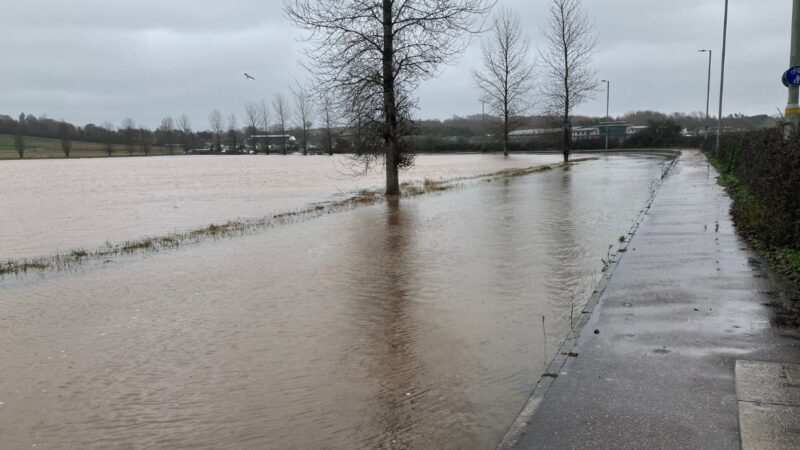
Flood Action Week runs from Monday 12 October to Sunday 18 October. With autumn here and winter approaching, now is a good time to prepare for wet and windy weather.
Around 6.3 million homes and businesses in England are in areas at risk of flooding.
El Niño is now affecting weather patterns. This does not mean flooding is certain, but it makes repeated storms, prolonged rainfall, saturated ground and flooding in the UK more likely.
Climate change is increasing the risk of heavier rainfall, which can add to the risk of flooding. Preparing a flood plan, signing up for flood warnings and making properties more resilient can help reduce the impacts on people, homes and communities, particularly those most vulnerable to flooding.
As extreme weather becomes more common, taking a few simple steps now can help protect lives and property, reduce the impact on mental health and help you act quickly and safely if flooding happens.
This Flood Action Week, we are encouraging residents across Devon to focus on three key actions:
- check your risk
- make a plan
- prepare your home for wet winter weather
1.) Check your risk and know what to do
Knowing your local flood risk can help you decide what to do and act quickly when conditions change.
Take some time to:
• check the current flood risk in your area
• check your long-term flood risk
• understand what the different flood alerts and warnings mean
• sign up to receive free flood warnings
Check official flood warnings, weather forecasts and local updates. If flooding happens, follow advice from the emergency services and local authorities.
Never walk, cycle or drive through floodwater. It may be deeper or faster-flowing than it looks and may hide hazards. Just 12 inches (30cm) of moving water can float a car. If a road is flooded, turn around and use another route.
Where it is safe to do so, check on neighbours, friends and relatives who may need extra support. Contact them by phone or message first and ask what help they need. Do not enter floodwater or put yourself at risk.
If there is an immediate danger to life, always call 999.
Reporting flooding
Reporting flooding helps organisations find problems, investigate them and help prevent future problems.
Who you should contact depends on where the flooding comes from. Visit the flood reporting webpage to find out who to contact about flooding from roads and drains, rivers, the sea, sewers or water mains.
2. Make a flood plan and prepare a flood kit
A household flood plan helps everyone at home know what to do, where to go and who to contact in an emergency.
Use the government’s guidance to make a flood plan for your home.
Include:
• contact details for your insurer, utility companies, local councils, medical contacts, friends and family
• how to safely turn off your gas, water and electricity
• safe ways to leave your home and somewhere to stay
• plans for children, older relatives, neighbours and anyone who may need extra help
• plans for pets, including food, medicine, carriers and a safe place to stay
• details of important documents, valuable items and things that matter to you
• a list of items for your flood kit
Your flood kit could include:
• copies of important documents in a waterproof folder
• Medicine and a first aid kit
• bottled water and food that will not go off
• warm, waterproof clothing
• a torch and spare batteries
• a portable radio
• phone chargers and power banks
• supplies for babies, children or pets
Keep your flood plan and kit somewhere easy to reach so you can act quickly.
Read the RSPCA guidance on keeping animals safe during floods.
3. Prepare your home for wet winter weather
You can take simple steps to reduce the damage flooding could cause:
• check whether your home insurance covers flooding
• look at ways to protect your home, such as flood barriers, airbrick covers and non-return valves
• keep important documents in waterproof containers and move valuable items and things that matter to you upstairs or to a higher place
• learn how to safely turn off your gas, electricity and water
• keep drains, gullies and watercourses on your property clear if it is safe
• move vehicles to higher ground when flooding is forecast, if it is safe
• keep your flood kit, insurance details and emergency contacts somewhere easy to reach
Read the government’s guidance on protecting your home or business from flooding. It also explains how to safely pump out water after a flood.
Do not wait until floodwater reaches your home. Preparing early can help you stay calm and reduce damage.
Help your community prepare for flooding
Local Flood Wardens help communities share information with local authorities. They highlight local problems and help people prepare for flooding.
It is a voluntary role with no fixed duties. Flood Wardens are not responsible for managing flooding.
If you are interested in becoming a registered Flood Warden for your community, find out more about Devon County Council’s Flood Warden Scheme.
Check your risk. Make a plan. Prepare your home for wet winter weather.