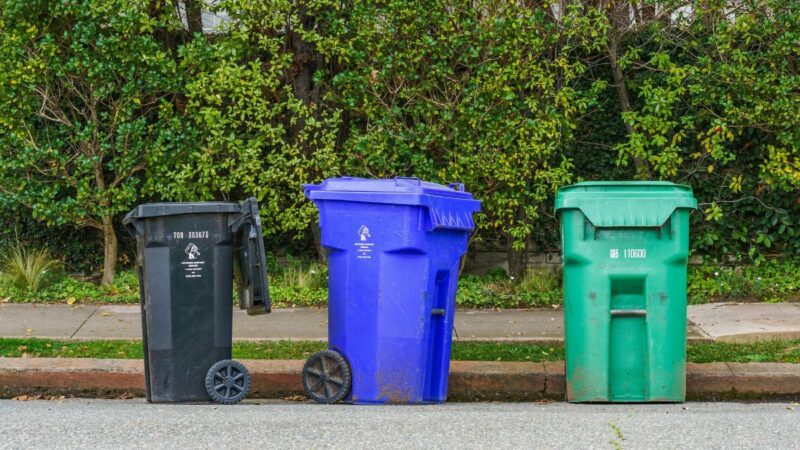
Recycling in England is set to increase, thanks to new Simpler Recycling reforms set out by UK government.
The reforms introduce new requirements over a period of time, with the latest set of rules helping households recycle more from home.
Local authorities in England must start working towards collecting a core set of materials in household recycling collections, if not already.
The core materials are metal, glass, paper & card, plastic, cartons (eg Tetrapak) and food waste.
The reforms have been introduced to standardise recycling nationally, eliminate confusion over what can be recycled, and to increase the UK’s current recycling rate of 44.6% (2023).
In 2024-25, Devon maintained one of the highest recycling rates in England at 54.2%, placing it second nationally.
Most councils in Devon either already collect these core materials (and more) from households or can add these core materials to existing containers, meaning that the majority of Devon residents will see little change to their current recycling collection.
Any additional materials will be introduced gradually over time and any changes will be communicated to residents
DEFRA is staggering the implementation of Simpler Recycling over three key dates in total:
From March 31st 2025 – Core recycling (metal, glass, paper & card, plastic, cartons and food waste) must be collected from business and non-domestic premises (such as schools and hospitals) employing 10 or more full time employees.
From March 31st 2026 – Local authorities must work towards standardised core recycling collections, including weekly food waste collections for households.
From March 31st 2027 – Plastic film such as bags, wrappers and film packaging will also be included as part of the plastic waste stream. Micro-businesses with fewer than 10 employees will have to be compliant.
The Simpler Recycling scheme is designed to simplify the recycling system so people can recycle the same materials whether they are at home, school or work.
The reforms standardise what items can be recycled as a core minimum but will not mandate how the recycling is collected from households.
Currently, collections are decided at a local level, with each local authority deciding which collection system, such as bins, boxes or bags, would be most suitable for that area, given the funding available, local housing type and other factors.
A national ‘one size fits all’ approach would not be suitable, since the considerations for urban environments are very different to those in rural areas.
Councillor Jacqi Hodgson, Cabinet Member for Climate Change and Biodiversity, said:
“The Simpler Recycling reforms are a step in the right direction and should make it much easier and less confusing for people to recycle at home, school and work. Devon residents already do a fantastic job at recycling, but any measures that make recycling easier is a change for the better. Hopefully we will see recycling rates increase in Devon and nationally as a result.”

For more information about recycling in Devon, visit www.recycledevon.org. Also go to: Simpler recycling: household recycling in England – GOV.UK