Meet the researcher monitoring Natural Flood Management and its impact on catchment hydrology across Devon
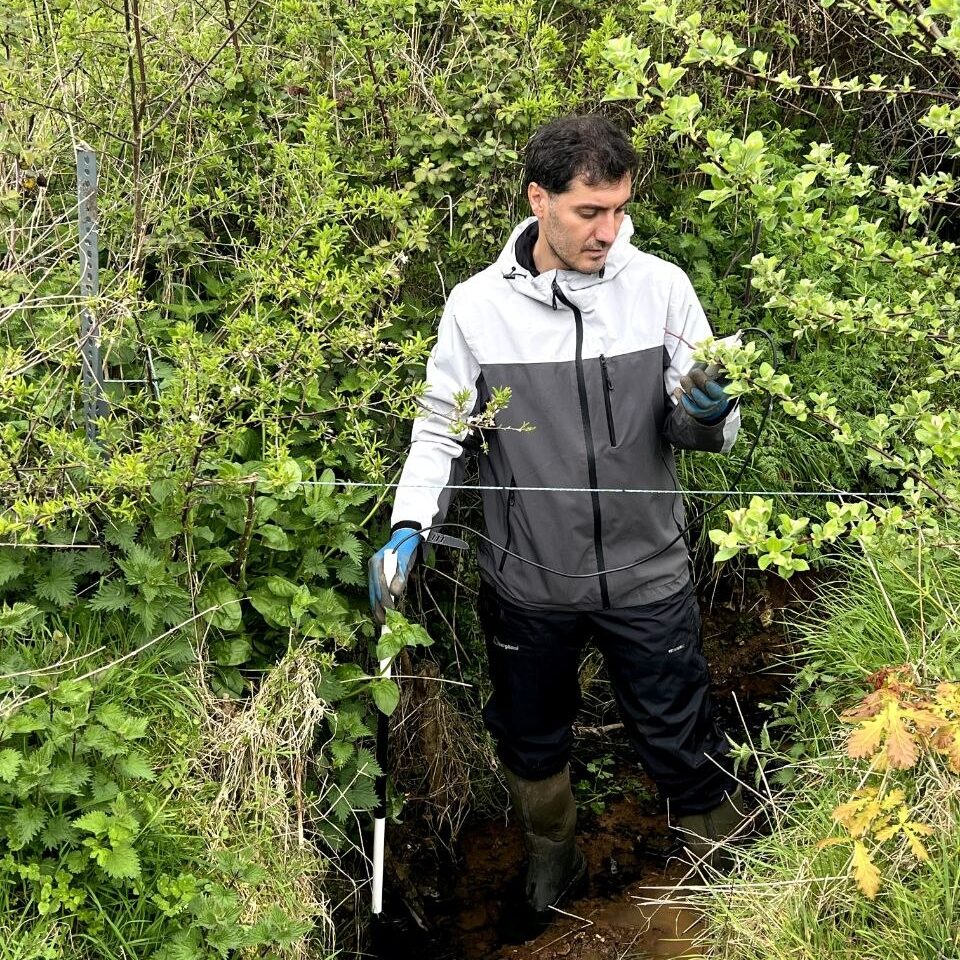
There is a huge amount of important work taking place across the Devon Resilience Innovation Project (DRIP). Researchers, practitioners, project partners, communities, and landowners are working together to better understand flooding and improve resilience across Devon.
Meet Mehdi (pictured left), a PhD researcher at the University of Exeter working in partnership with DRIP. Over the past two years, Mehdi has been monitoring, modelling, and analysing hydrological responses across several DRIP catchments where Natural Flood Management (NFM) measures have been installed.
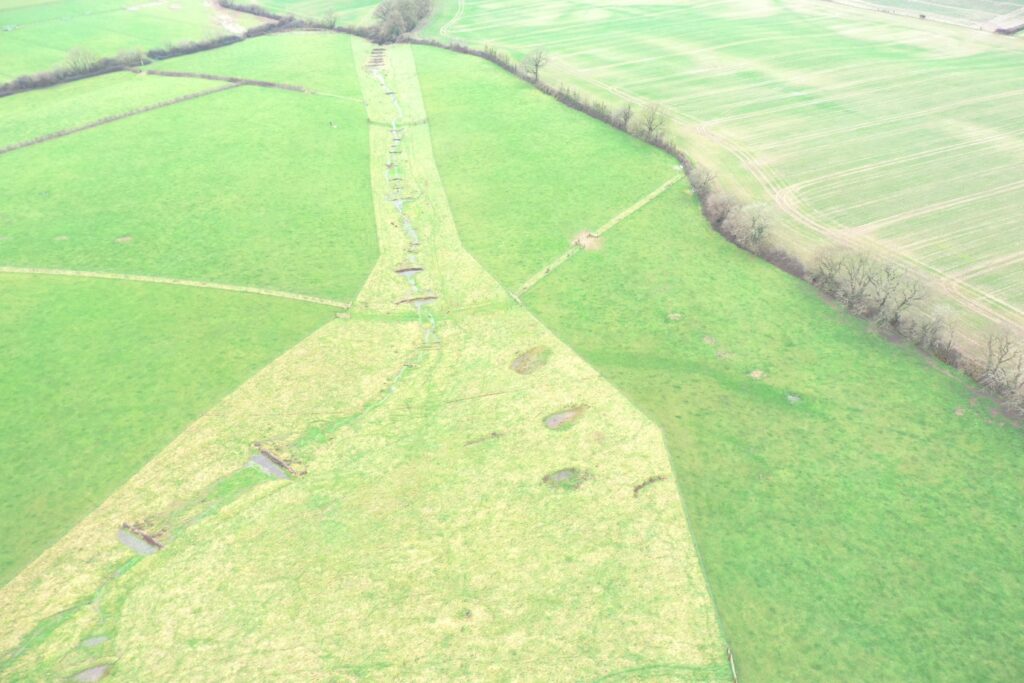
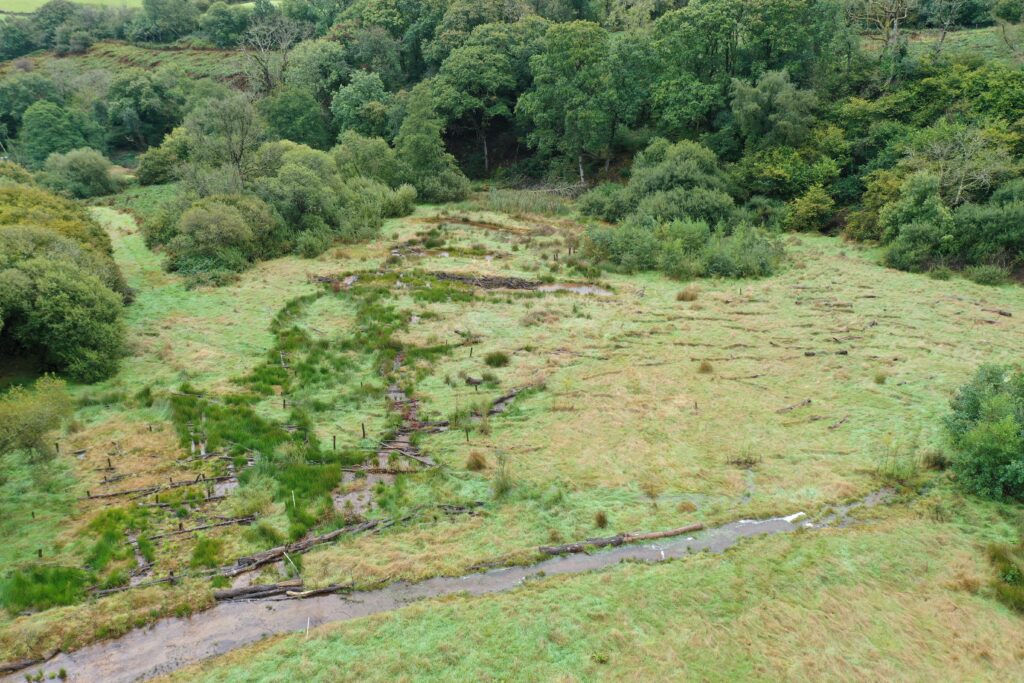
NFM interventions are increasingly recognised as an effective approach to managing flood risk. These interventions comprise a range of measures, from river and floodplain restoration to woodland and runoff management, implemented across upstream, midstream, and downstream parts of catchments. They do this by restoring natural hydrological and geomorphological processes – where rivers, riparian zones, and floodplains are allowed to function more naturally, habitats are restored and reconnected, and natural water flows and river and landscape forms are reinstated.
Why evaluating NFM matters
Evaluating the effectiveness of NFM is important, particularly in Devon, where many small and steep catchments have experienced severe flooding over the past decade. Understanding how NFM measures perform in these rapid response catchments can help reduce flood impacts for downstream communities in both rural and urban settings. By reducing peak flows and delaying run off through temporary storage further upstream, NFM can play a vital role in helping communities better cope with heavy rainfall and build resilience to flooding.
The challenges surrounding NFM evaluation
Previous studies have shown that assessing the performance of NFM interventions is especially challenging in rapid response catchments. Collecting precise hydrological data in these environments has often proved difficult, resulting in limited robust evidence to clearly demonstrate how, and to what extent, NFM reduces downstream flood risk. Strengthening this evidence is essential to building confidence in NFM and supporting its wider adoption.
How Mehdi is helping build a stronger evidence base
Mehdi’s research addresses this challenge. Intricate hydrological monitoring networks have been established across five rapid response catchments in Devon, selected to represent the many small, steep catchments found across the south west of the UK. Since May 2024, a network of high accuracy sensors has been recording changes in water depth, rainfall, and soil moisture across these sites. This numerical data is complemented by time-lapse cameras that capture visual change every five minutes. Together, these monitoring systems provide detailed insight into how different NFM interventions influence hydrological processes within catchments under a range of rainfall conditions and flood events.
Mehdi’s findings so far
Initial analysis suggests that NFM measures implemented through DRIP are effective in slowing the movement of water through catchments and reducing flood peaks. These findings provide a strong indication of the potential for NFM to reduce downstream flood risk in rapid response catchments. We’re excited to see further outputs from Mehdi’s research and to seeing this work contribute to stronger evidence, increased confidence, and the delivery of more well-designed NFM schemes both across Devon and beyond.