Restoring rivers and wetland habitat: a year of transformation in North Devon
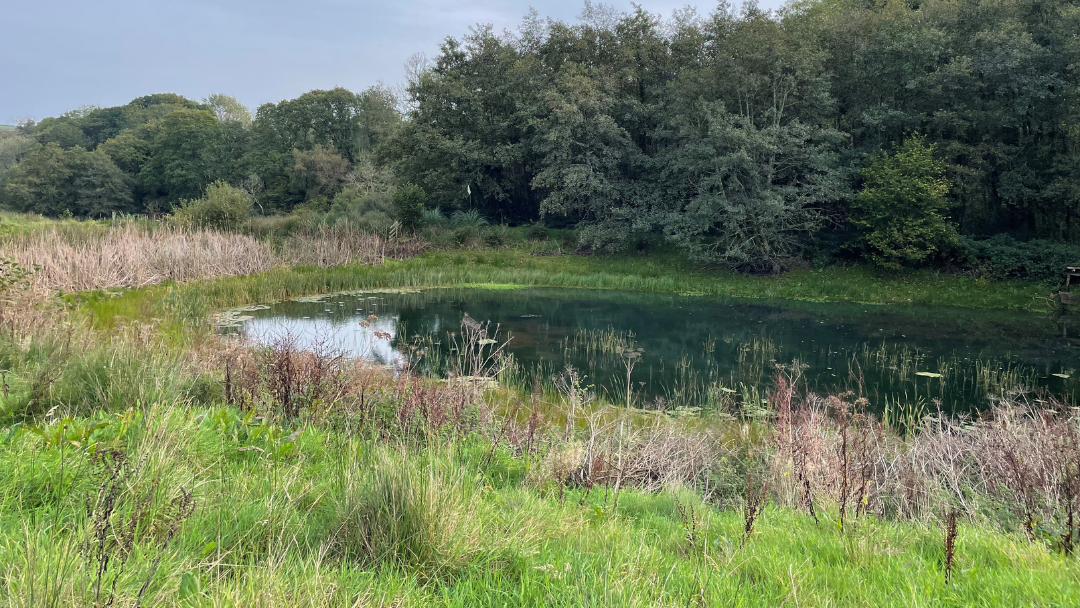
Just over a year ago, North Devon National Trust led a project as part of the North Devon Riverlands initiative to restore the river flowing through Tattiscombe Farm and reconnect it to its floodplain, re-wetting the landscape, bringing life back to this vital ecosystem, and strengthening local flood resilience.
The North Devon Riverlands project is dedicated to restoring wetland habitats through nature-based solutions that improve water storage, infiltration, and quality, while also enriching biodiversity and reducing soil erosion. DRIP has supported the initiative at Tattiscombe Farm, where improvements in flood resilience and ecosystem health have been achieved. In the past, the river at this site had been straightened and disconnected from its floodplain, leading to the loss of wetlands, declining biodiversity, poorer water quality, and an increased risk of downstream flooding.
How did DRIP support the restoration
DRIP helped deliver an array of natural interventions, including:
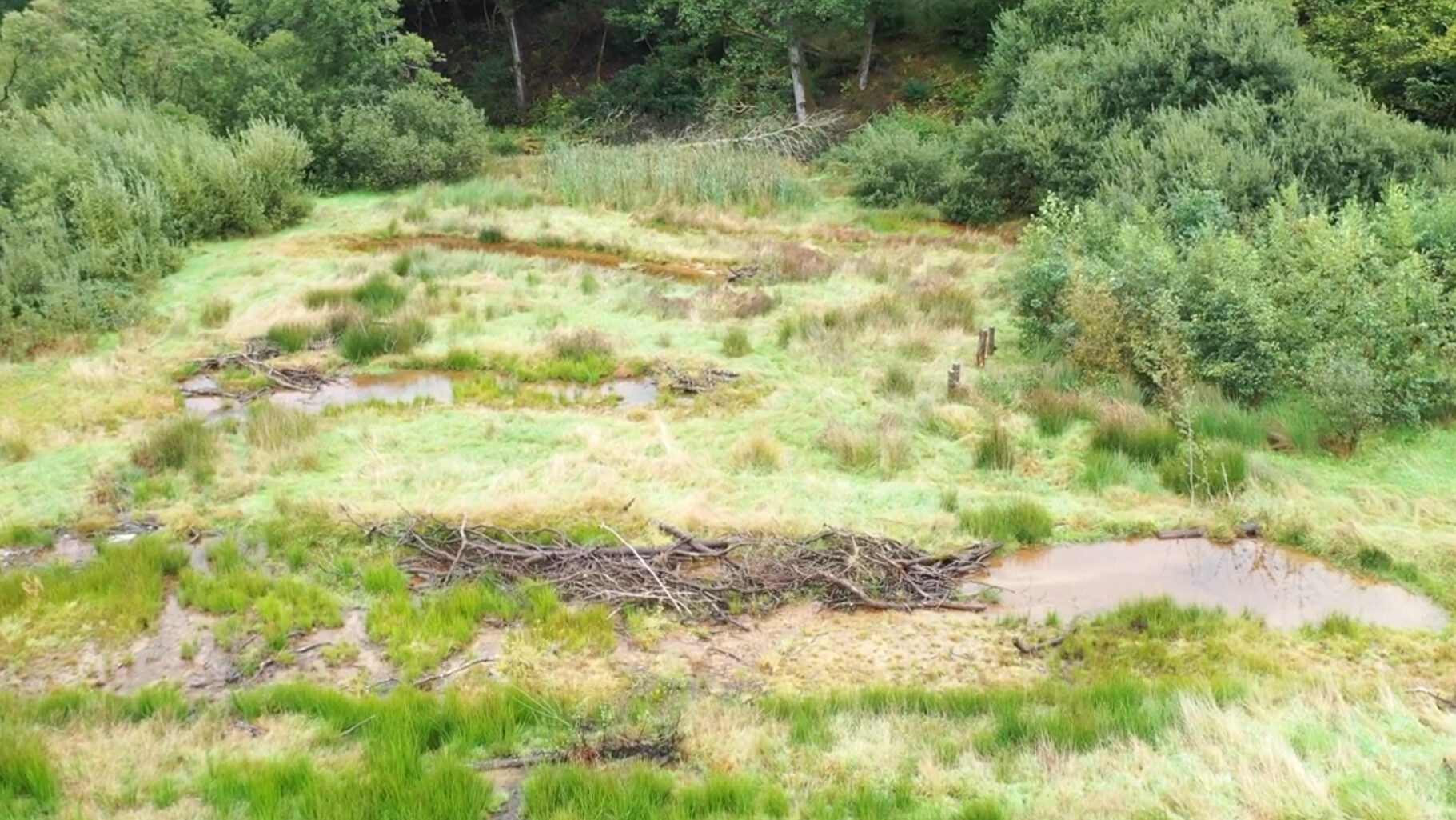
- Creating new scrapes to form temporary, shallow wetland pools that increase water storage and provide wildlife habitat
- Installing in-stream woody barriers and leaky dams to slow water flow and allow water to spread onto the floodplain during high flows
- Widening the watercourse to increase storage and restore natural flow
- Planting native plants and wildflowers to stabilise soils and boost local biodiversity.
These techniques form part of a Stage Zero river restoration approach – where rivers are reset to their natural conditions before human interference and allowed to meander and flow freely across the land. Since the project’s completion in 2024, we’re delighted to see remarkable changes just one year later.
Visible benefits after one year
The floodplain now holds more water, with new wetland pools and habitat forming across the site. The river has regained some of its natural meanders, wildlife is returning, and native plants and wildflowers are thriving. Our PhD students are monitoring the site to measure the wide-ranging co-benefits of Natural Flood Management (NFM), from water regulation to carbon storage and improved soil health.
Take a look at the transformation
Mehdi Bagheri-Gavkosh, a DRIP PhD researcher at the University of Exeter, has captured amazing drone footage of the farmland at Tattiscombe, revealing the transformed wetland and its water-regulating features. Take a look at how Stage Zero river restoration and Natural Flood Management (NFM) are creating a healthier, more natural, and resilient landscape for local communities and wildlife.
Explore this project and other restoration efforts on the North Devon Riverlands website.
This project was joint funded by DRIP the Government’s Species Survival Fund. The fund was developed by Defra and its Arm’s-Length Bodies. It was delivered by The National Lottery Heritage Fund in partnership with Natural England and the Environment Agency.