



People’s experiences of adult social care in Devon reflect a “positive picture” according to a new report out today (Friday 17 July).
The Care Quality Commission (CQC) assessment says that Devon County Council “demonstrated significant strengths in its approach to adult social care” which is highlighted by satisfaction levels. Around 68% of people in Devon are satisfied with the care and support they receive, which is above the national average.
The report states that “partnership working was another strength” illustrated by integrated arrangements with health, housing, and voluntary sector partners to support hospital discharge, admission avoidance, and community resilience.
The overall score for Devon was one point short of “good” with the CQC rating that Devon “requires improvement”. It cited ongoing challenges around isolation in the county and timeliness of assessments and reviews, which are challenges facing many councils nationwide.
However, it noted “a clear improvement trajectory” with Care Act assessments. In February 2025, the longest wait for a Care Act assessment was 2,337 days, but by August 2025, only seven people had waited more than 90 days.
There was also acknowledgement of progress in tackling waiting lists for financial assessments, which in early 2025 stood at 3,380 people waiting to be told how much they might need to contribute towards their care. This had reduced to 2,190 by September 2025.
Progress has continued since the inspection was carried out last year, with the number of people waiting for a financial assessment continuing to fall. It was down to 1,098 by April 2026. It has to be noted that delays in financial assessments do not delay people from receiving care.
Care and support were found to be sufficient to meet demand, with 91% of care packages arranged within the target timescale of 28 days.
Inspectors noted that community spaces and hubs are supporting prevention, with initiatives such as blood pressure monitors being available in libraries, helping people to manage their health locally and reducing isolation. Devon has also embedded outreach services in coastal areas in previous years which has helped people monitor health and avoid emergency care.
Statistics support this approach with over 95% of people who received short-term support no longer requiring ongoing care, compared to an England average of around 79%. The report states: “This showed prevention strategies were helping people remain independent.”
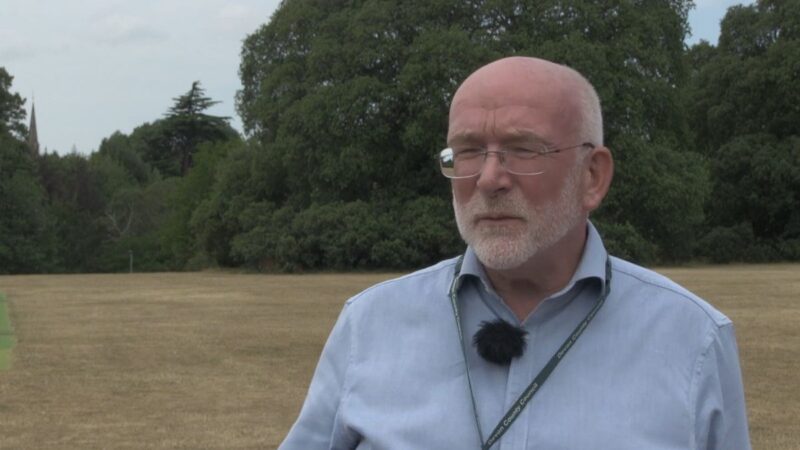
Councillor Richard Keeling, Devon County Council Cabinet Member for adults services, said:
“We’re disappointed to miss out on a rating of good by a single point, but this CQC report doesn’t diminish our commitment to supporting vulnerable adults. Anyone who reads the report will see there has been a huge amount of improvement in Devon over the past year and progress has continued since. That’s despite the ongoing increase in demand for social care.
“Credit goes to our staff for their hard work and dedication and we thank them for their passion and commitment in making those improvements. Our Living Well in Devon programme, which hadn’t launched at the time of the CQC inspection, is having a positive impact. I’m confident this programme will ensure improvements will continue.
“We accept that we still have work to do. We know where we need to improve and I’ve no doubt we will.
“Regardless of the rating, we’ll always strive to be better, which is in line with our strategic plan’s focus on continuous improvement in order to deliver high standard, value for money services people can rely on.”


Councillor Jess Bailey, Devon County Council’s Chair of the Health and Adult Care Scrutiny Committee, said:
“We all share in the disappointment at the outcome of this report, but everyone is aware that improvements can be made and they are committed to achieving that. Change is already being felt in many areas, but we need to see further improvements.
“Our committee will continue to maintain oversight of these vital services in Devon. We’re listening to the perspectives of those who are directly affected by these care services and we will be working to strengthen links with them in order to gain their perspective.
“We will also continue to have regular visits to Devon County Council’s teams to understand performance and pressures.”


Other positive progress was also noted, including:
• Efforts to maintain local placements helped people stay closer to families and communities, supporting continuity of care and better outcomes. Ongoing projects to increase extra care housing also provided options for those supported out of county to return.
• Devon prioritised efforts to enable young people to become independent, helping them develop skills for employment and using public transport as they move into adulthood.
• The Rapid Support Service, launched in July 2025 to provide short-term reablement for hospital discharge, has “improved coordination and outcomes for people by reducing delays and providing tailored support”.
• The Better Care Fund supported a wide range of integrated services, enabling teams working across health and social care “to prevent hospital admissions and support timely discharges, helping people stay well and independent at home.”
• Devon “used feedback from people, staff and partners to shape services and improve practice.” For example, unpaid carers repeatedly raised concerns about transport, respite services and care provision in rural areas. This feedback led the council to develop a Carers Isolation Improvement Plan.
• Commissioning Devon Communities Together to run community resilience forums, showed how strategic partnerships protected vulnerable people in rural areas. “People received more joined-up and preventative support, which reduced isolation, improved wellbeing, and prevented crises.”
While the CQC described waiting lists for safeguarding as “significant”, with more than 540 people on the waiting list as of 31 August 2025, it also found there was a strong multi-agency safeguarding partnership. All staff involved in safeguarding work had the skills and support “to undertake safeguarding duties effectively”, according to inspectors. It highlighted an increase in conversion rates for safeguarding concerns progressing to “Section 42 enquiries” from 18% to 25% between January and October 2025. The report states this is “indicating more consistent triage and timely progression of cases”.
It also mentions that Devon acted on Ombudsman findings by committing to reduce waiting lists for autistic people, which fell from 336 in October 2023 to 81 by March 2025, enabling people to access assessments and support more quickly.
Senior leaders were found to promote a culture of openness and wellbeing. The County Council was praised for having a comprehensive Equality, Diversity and Inclusion Action Plan, helping Devon to “identify gaps and improve commissioning decisions, resulting in services that were more inclusive and responsive to people’s needs”.
The CQC report also revealed that national data from the Adult Social Care Survey for 2024/25 showed over 70% of people who use services in Devon find it easy to find information about support. This is above the England average of just under 68%.
The full report can be viewed on the CQC website.