


Farmers affected by bluetongue need urgent wellbeing and financial support as the disease takes a heavy toll on livestock, businesses and rural families, councillors have heard.
Farmers and farming representatives described livestock deaths, the exhausting work involved in caring for sick animals and growing concerns about future farm incomes at a meeting of Devon County Council’s Corporate Infrastructure and Regulatory Services Scrutiny Committee.

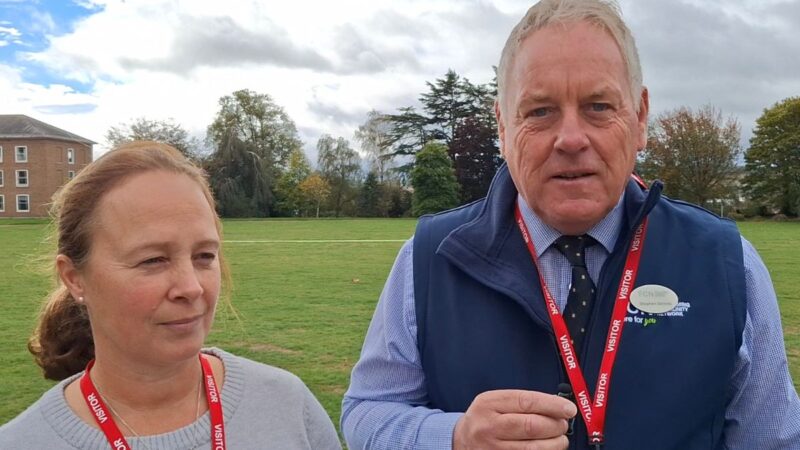
Stephen Dennis, Regional Manager for the Farming Community Network, said that many farmers had been left “completely exhausted” by the outbreak, which has come on top of drought, forage shortages and wider financial pressures.
He also warned that the longer-term impact could be significant, with bluetongue affecting livestock fertility and potentially reducing future lamb and calf numbers, creating further pressure on farm incomes.
He said:
“Bluetongue has been a dramatic disease for many farmers. Caring for affected animals takes a huge amount of time and many farmers have been left completely exhausted.
“This has come on top of a dry summer, a shortage of forage and wider financial pressures.
“The longer-term effects are also deeply concerning. The disease can affect the fertility of rams and bulls, while poor condition among female animals could lead to fewer lambs and calves.
“That could have a serious effect on farm incomes next year and beyond.”
Liz Warner, Devon farmer and representative of Devon County Council’s Farms Estate, said tenant farmers had faced a range of challenges this summer.
She said:
“Like farmers across Devon, our tenants have had to cope with a dry summer and a lack of forage. Some have had to use their winter feed stocks early.
“Bluetongue has added to those difficulties, with farmers losing animals and facing the challenge of treating livestock and helping them through a very nasty disease.”
Bluetongue Virus Serotype 3 has affected livestock in Devon since July. While it poses no risk to human health or food safety, the outbreak has increased veterinary, vaccination and fallen stock disposal costs, while creating uncertainty around future breeding flocks and herds.
Modelling presented to the council’s committee suggested losses to farming and the wider rural economy could run into millions of pounds.
Chris Rice, Farmer and Team Manager for Heart of the South West Trading Standards, also addressed the committee.
“Farming has faced many difficult challenges in recent years, and we recognise the impact this can have on individuals, families and livestock.”
Speaking directly to Devon’s farmers, he said:
“You do not have to face these challenges on your own.
“Heart of the South West Trading Standards works alongside partner organisations to provide advice, guidance and support.
“If you are struggling, please reach out to us. The earlier support is sought, the more options may be available to help protect your wellbeing and the welfare of your animals.”
Councillor Cheryl Cottle-Hunkin, Devon County Council’s Cabinet Member for Rural Affairs and a sheep farmer, said the meeting had highlighted both the emotional and financial impact on farming families.
She said:
“We need better mental health and wellbeing support for our farming community now.
“This was a very emotional meeting, and it was clear that many farmers are facing serious financial pressures as well as the distress of caring for sick animals and losing livestock.
“Farmers need greater support and confidence in the industry, including a properly funded farming budget.
“We must learn from what happened this year. Farmers need clearer and quicker communication, reliable access to vaccines and a long-term plan for dealing with bluetongue and other livestock diseases.
“We should also look at how European countries have responded, including vaccination programmes supported or funded by government.
“With a changing climate increasing the risk of diseases such as bluetongue, we need to be much better prepared.”


The committee agreed that the Cabinet Member and Chair of the committee should write to Defra calling for a review of the Government’s response to bluetongue, including communication with farmers, compensation arrangements and the practical requirements placed on livestock businesses.
The council’s Cabinet will be asked to consider reinstating the Rural Support and Wellbeing Programme to support communities affected by the outbreak.
And committee members also want the council to explore ways of helping affected farmers, particularly tenants on the Devon County Farms Estate, to manage consequent cash-flow pressures.